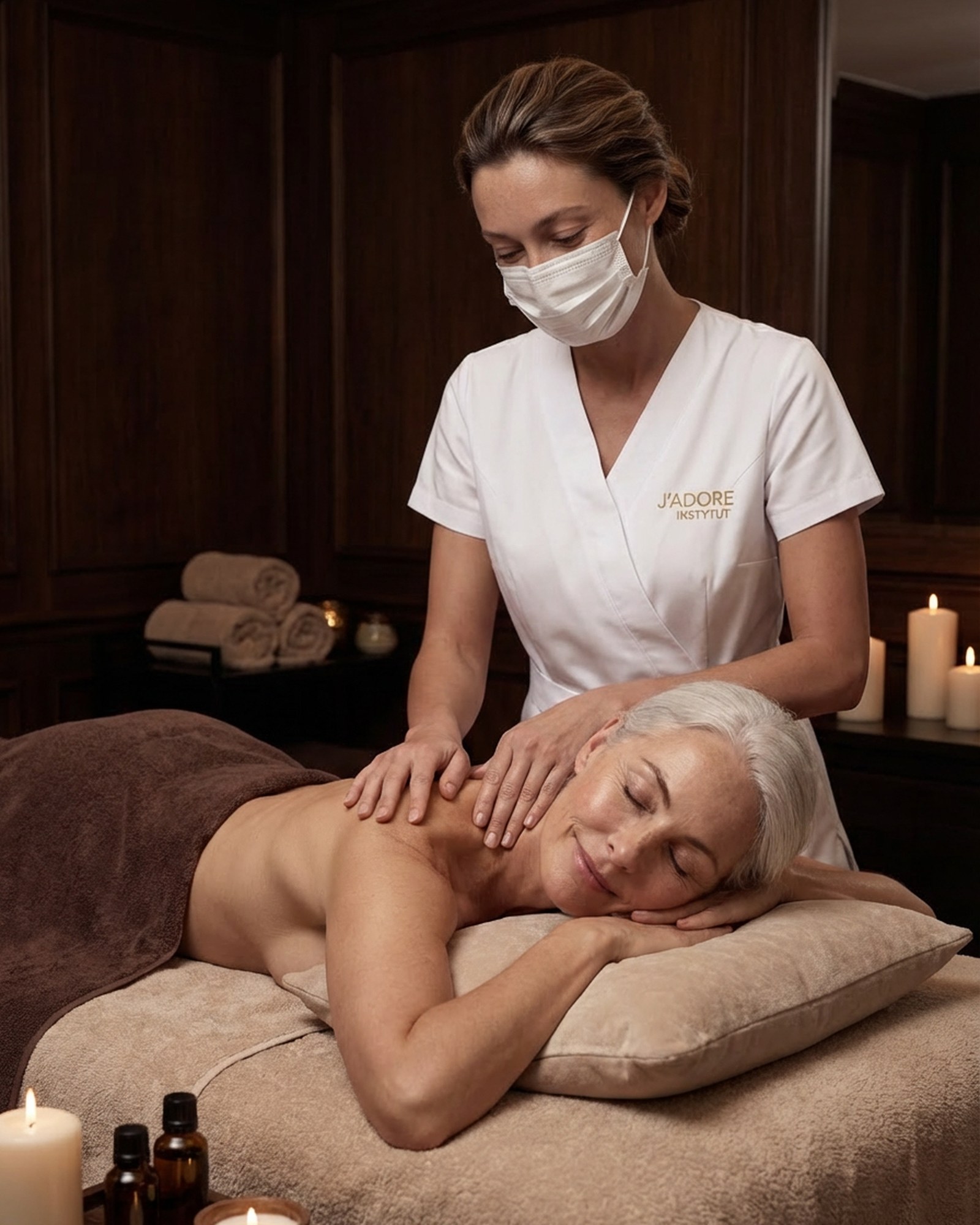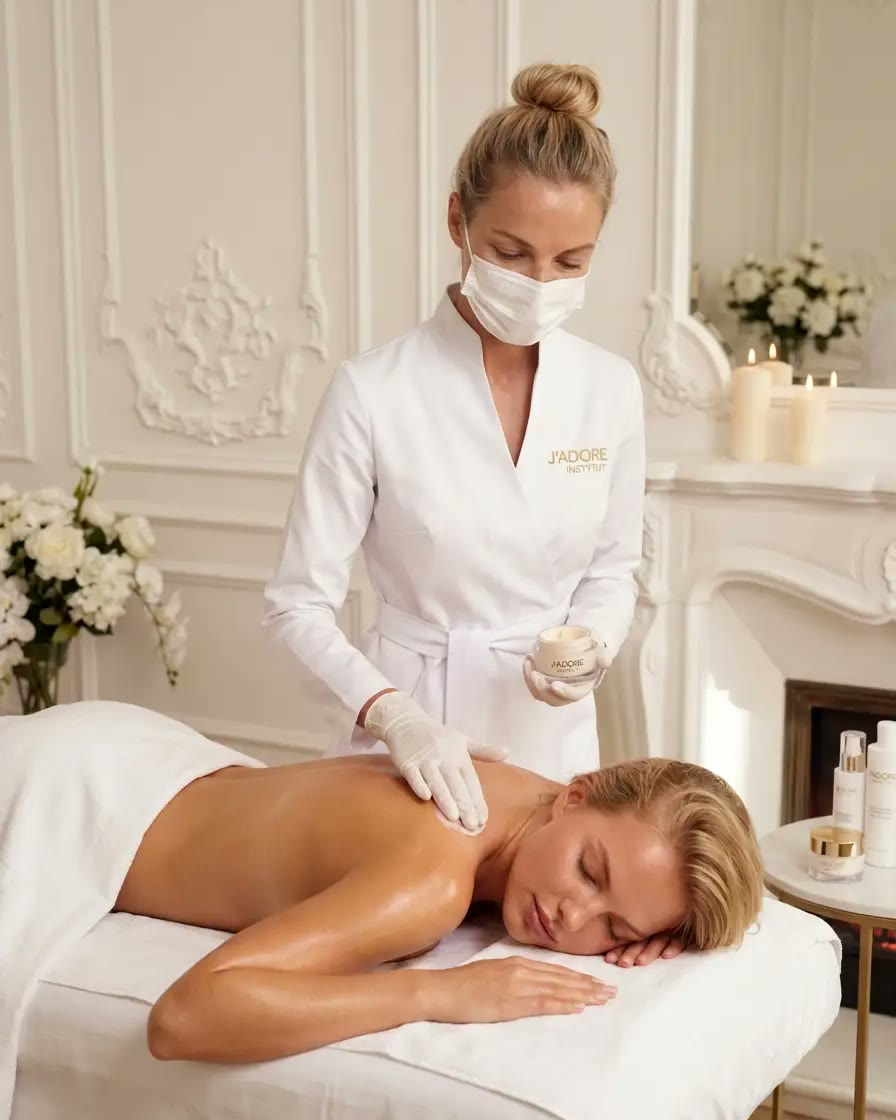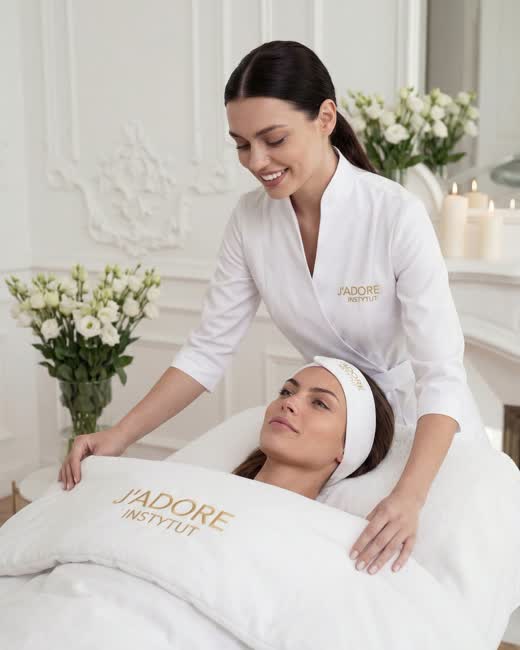
The first hour is for a calm return to an upright position
After lying down and being warm for a long time, stand up slowly. Sit on the edge of the table, check that you do not feel dizzy, and only then get dressed. Sleepiness and a feeling of "melting" can be part of the relaxation, but clear weakness, nausea, or persistent dizziness should be reported before leaving the salon.
Drink according to your thirst. Water is a good choice, but not because the massage releases toxins that need flushing out. The body has its own mechanisms for removing metabolic waste. Forcing yourself to drink beyond your comfort level does not enhance the effect. Simple hydration and avoiding alcohol if you feel sleepy or weak are more important.
If you are driving, assess your concentration. A few minutes of rest is more sensible than immediately heading into busy streets. A massage should not cause impaired consciousness, but deep relaxation can be at odds with haste. Inform the staff in case of any unusual symptoms.
The oil can remain on the skin if your skin tolerates it well
If your skin starts to burn, itch, or develops spreading redness, wash the product off gently and contact the salon. Keep the name of the oil. Do not apply other scented lotions to "calm" the reaction, as this makes it harder to determine the cause and adds new ingredients.
A shower should be lukewarm, without aggressive scrubbing. Hot water, granular peels, and dry brushing on the same evening can irritate skin that has been warmed and massaged for a long time. If you want to remove the oil, a mild cleanser and gentle patting with a towel without rubbing are sufficient.
The evening after the session does not need training or a sauna
Polynesian massage has a fluid, warming character. Heavy training immediately afterwards introduces the opposite stimulus: temperature, heart rate, and the tension required for effort all rise. This is not forbidden forever, but on the same day, it is better to choose a quiet walk and normal activities.
A sauna, a very hot bath, and a long soak in a jacuzzi can accumulate heat. For someone prone to drops in blood pressure or who does not tolerate heat well, this may reduce comfort. Move these to another day. More heat does not fix the massage; it may only increase weakness.
Alcohol is also not a good way to end the day. It can impair your sense of well-being and increase dehydration and sleepiness. If the massage was part of an evening out, plan a quiet meal and a safe return home. The ritual does not require ascetic prohibitions, only the avoidance of obvious overexertion.
The next day, the body should move towards comfort
After a gentle massage, a feeling of lightness is more common than tenderness. Slight muscle sensitivity may occur, especially if firmer pressure was used in a tense area. It should be mild and fade away. Sharp, increasing pain does not fit the expected course.
If you have a training session, assess how you feel and the nature of the session. After a relaxing, well-tolerated massage, returning the next day is usually possible, but reduce the load if there is tenderness. Your sports plan should not force you to ignore new pain, weakness, or restricted movement.
Days two and three show whether the reaction is truly fading
During this time, the skin after the oil should be calm, and any tenderness should decrease. A late-appearing rash may result from a contact reaction. Take a photo for documentation, note the cosmetics used, and contact the salon. Do not automatically assume the massage is to blame, but provide a full chronology.
A bruise after gentle work is not a goal or proof of effectiveness. A small mark may appear in someone prone to bruising, but extensive bruising, swelling, or severe pain require contact. Report any anticoagulant medication before the next session and do not stop taking it on your own.
If the original pain has returned, it does not automatically mean you need a stronger massage. The Polynesian ritual is primarily relaxing. A persistent or recurring problem may require a different method, or an assessment by a physiotherapist or doctor. A wellness series does not replace a diagnosis.
- 01
Hours
Slowly getting up, comfortable hydration, a calm plan, and observing the oil.
- 02
The next day
Gentle movement, assessing tenderness, and returning to activity without testing pain.
- 03
Days two–three
Reactions should fade; persistent rash, swelling, or increasing pain require contact.
- 04
End of the week
Assessing whether the ritual met your goal and what to change at the next visit.
You do not need to maintain the effect with further treatments by the end of the week
Do not automatically book the next session because the relaxation seems short-lived. A massage does not stop stress, responsibilities, or the burdens of daily life. Consider whether the greatest benefit was sleep, warmth, your skin, or the nature of the touch. This will help you decide whether to return for a Polynesian massage or choose a different service.
Home care can be simple: gentle washing and a product your skin already knows. Do not introduce several new oils after one good evening. If an aromatic preparation was well tolerated, you can write down its name; if the scent was tiring, ask for a more delicate setting next time.
Do not judge the massage by the promise of "deeper sleep for a week." Sleep depends on many factors. One calmer night can be a pleasant result of relaxation, but it is not a guaranteed effect or a therapy for insomnia. If sleep problems persist, a broader assessment is needed.
Days four to seven are for assessing the goal, not hunting for traces of the treatment
By the end of the week, the direct warmth and scent are just a memory. The question remains whether the session met your needs. If it was about a quiet evening and soft skin, the effect can be assessed immediately. If you expected a solution to chronic pain, you likely chose a goal beyond the relaxing nature of the method.
Do not check effectiveness by pressing on areas that previously hurt. Daily activity, sleep, and training change sensations regardless of the massage. More useful questions are: was it easier to rest, did the oil suit your skin, was the pressure comfortable, and did the communication give you control? These are the data points needed before the next booking.
If everything went smoothly, the next appointment can stem from a need for rest, not a fear that the effect will "disappear." If discomfort occurred, note its timing and location, and before the next session, discuss changing the oil, temperature, position, or method. Repeating the same protocol despite a bad reaction does not build regularity; it repeats the problem.
Warning signs require a course of action, not internet interpretation
- Increasing sharp pain, new loss of strength, or sensory disturbances.
- Large or increasing swelling, especially on one side.
- Extensive hives, swelling of the face, difficulty breathing.
- Fever, symptoms of infection, or a clear general deterioration.
- Extensive bruising or pain that becomes stronger instead of fading.
For alarm symptoms, seek medical help; do not wait solely for a response from the salon. The salon should be informed about the incident and the product used, but it does not provide remote diagnostics. A photo may help describe the skin, but it does not replace an examination for general symptoms.
For mild doubts, write down when the massage was performed, which areas were worked on, what oil was used, and how the symptom is changing. The direction matters: short-lived redness that disappears is different from erythema that spreads the next day. Specifics facilitate a responsible answer.
Daily situations require simple decisions, not a protective ritual
If you have a long journey the next day, take regular breaks for movement and do not attribute every stiffness to the massage. Long periods of sitting can change sensations in your back and legs on their own. Sudden one-sided swelling or calf pain, however, is not a matter for home massage — it requires urgent medical assessment.
Desk work does not ruin the effects in an instant. Sit comfortably, change your position and stand up regularly, but do not try to keep your back "perfectly straight" all day. Massage can provide a sense of greater freedom, but it will not replace ergonomics, movement or broader work on a recurring problem.
A swimming pool means chlorine, a shared space and the need to wash your skin again. If oil remains on your body or redness has appeared, postpone your swim. When your skin is calm the next day, a normal return is usually possible. Follow your skin's reaction and the recommendations provided after your treatment, not rigid waiting periods found online.
A visit to a cosmetologist or doctor after a massage may require clean skin without an aromatic film. If your appointments are close together, inform them about the massage and ask how to prepare the area. Oil can alter the adhesion of plasters, the assessment of the skin surface or the comfort of the examination, although it does not constitute a medical problem itself.
Post-shower care also does not need experiments. Use an unscented or well-known lotion if your skin needs it. If a reaction has appeared, limit the number of products and keep the packaging. The fewer new ingredients, the easier it is to assess whether the symptom is fading and to provide a reliable history to your cosmetologist or doctor.
A Krakow address is the start of a calm plan
You can find a description and booking options on the Polynesian massage in Krakow page. J'adore at Karmelicka 45/2B, 31-128 Krakow, is open from Monday to Saturday, 8:00–20:00.
Choose a time after which you do not have to return immediately to an intense workout or a sauna. When booking, report any allergies to oils and aromas, fresh injuries, illnesses and pregnancy. If your condition changes on the day of your visit, the qualification must also change.
After a week, draw a simple conclusion: a good course did not require a special detox, and reactions tended towards calm. If this was the case, you can decide to return based on your own experience. If not — change the oil, pressure, type of massage or first clarify the problem outside the wellness salon.
The shortest plan after a massage: stand up slowly, drink according to your thirst, avoid intense heat and exertion, observe your skin and react to symptoms that increase instead of fading.
Driving, desk work and travelling require an assessment of your fitness
Only drive when drowsiness, dizziness and difficulty turning your neck quickly have passed. Massage does not require a formal ban on driving, but responsibility for your fitness remains real. If you feel too soft or unstable, rest, go for a walk or choose other transport. A parking plan should not decide for your nervous system.
Returning to a desk can recreate previous tension within a few hours. Change your position, rest your forearms and take short breaks instead of sitting stiffly "perfectly". Massage does not create a protective layer around your shoulders. Its effect makes sense in combination with movement and less repetitive strain.
Travelling the next day requires standard prevention of immobility: moving your feet, standing up when possible and proper hydration. One-sided pain, swelling and a warm calf are not symptoms to be massaged away after a flight. They may indicate thrombosis and require urgent assessment, especially with shortness of breath or chest pain.
Hair removal, infection and unusual reactions change the plan
The next body treatment should take into account the state of the surface. Waxing, laser, strong peels, cupping and spray tan have different rules. Oil can interfere with preparation, and fresh irritation tolerates friction poorly. Arrange the order with both practitioners instead of fitting procedures into empty slots.
If an infection appears, do not explain a fever or cough as "lymph movement". The illness may have an independent cause and requires standard management. Inform the salon if you could have been infectious during your visit. Massage does not cause a cold by releasing substances from muscles.
Mood swings after deep relaxation do not prove the automatic release of trauma. You may simply notice fatigue that was previously covered by haste. Give yourself a quiet evening. If touch triggers strong anxiety or memories, the next step should be discussed with a mental health professional, not repeated without a plan.
After a week, you assess your skin, goal and return to strain
After a week, assess the function, skin comfort and your own sense of safety. Massage does not permanently remodel your silhouette, remove fat or heal injuries. It can soothe, improve subjective lightness and leave a soft surface. Such a narrower, honest effect is enough to consciously decide on another visit.
If you need targeted work on an injury or rehabilitation, choose another method and the appropriate qualifications. Do not increase the pressure of a Polynesian massage to turn it into deep tissue. A fluid rhythm has its own purpose, and a good therapist can indicate its limit.
A shower after a massage does not require a ritual. Lukewarm water and a mild cleanser are enough when you want to remove oil. Do not scrub your skin to get rid of the scent faster. If the aroma causes a headache or nausea, wash it off immediately and air out your clothes. Keeping the product on your skin is not more important than your well-being.
For skin prone to breakouts, observe areas under tight clothing. Occlusion, sweat and a rich formula can promote spots. Do not squeeze them and do not add heavy oil. Wash the surface gently, change your clothes and note the preparation used. A recurring reaction suggests a neutral formula for the next visit.
If you feel standard tenderness in the morning, a gentle walk and daily movement are better than complete immobility. Do not stretch to the point of pain and do not use a massage gun on a freshly sensitive area. The reaction should fade. Increasing pain, swelling or loss of function require contact and possible medical assessment.
Physical work is not formally forbidden, but the first session should be placed before a lighter day to learn your reaction. If you cannot change your duties, tell us about them before the massage. The therapist can limit the pressure or scope instead of performing full intensity in isolation from what the body will do a few hours later.
Do not introduce a special diet or supplements advertised as an extension of the massage. The body does not need a cleansing cure after manual work. A normal meal, sleep and fluids according to your thirst are sufficient. Additional products complicate the picture when nausea, a rash or other symptoms appear.
If you feel improvement after a session, do not test it with a maximum bend or weight. A greater range felt after relaxation does not mean immediate tissue adaptation to strain. Return to movement gradually. Control should keep up with the feeling of freedom.
For pain that regularly returns at the same time of day, note the position and task. The information "it hurts again after the massage" is less useful than "after two hours at the laptop, the pulling under the shoulder blade returns". Such a pattern helps decide on ergonomics, exercises or a change in the type of help.
At the end of the week, the body should return to normal activity without increasing pain. If this is not the case, do not automatically book another identical session. First describe the reaction, check the need for a consultation and only then choose the right type of work.