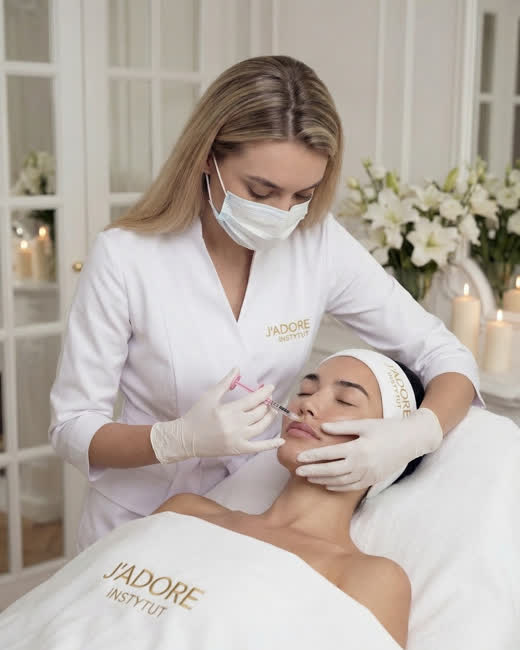
Three mechanisms, three different languages of repair
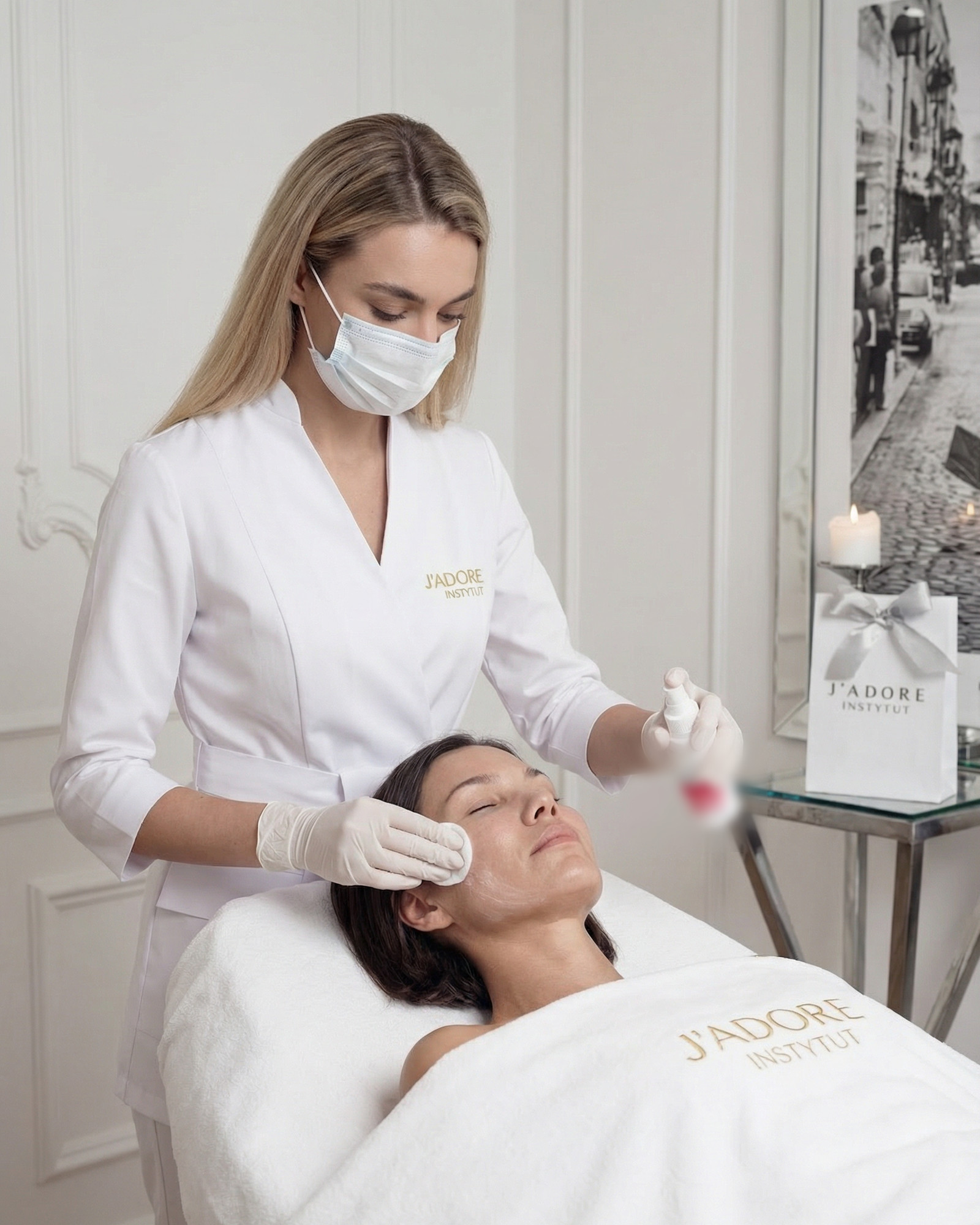
It's best to start with the fundamentals. Misunderstandings about these methods arise because all three work "from within" and all three improve skin condition — but they intervene at completely different stages of the process. To simplify: PRP triggers repair through your own growth factors, exosomes pass signals between cells, mesotherapy delivers nutrients directly where they're needed.
PRP (platelet-rich plasma)
triggers your own repair process through growth factors
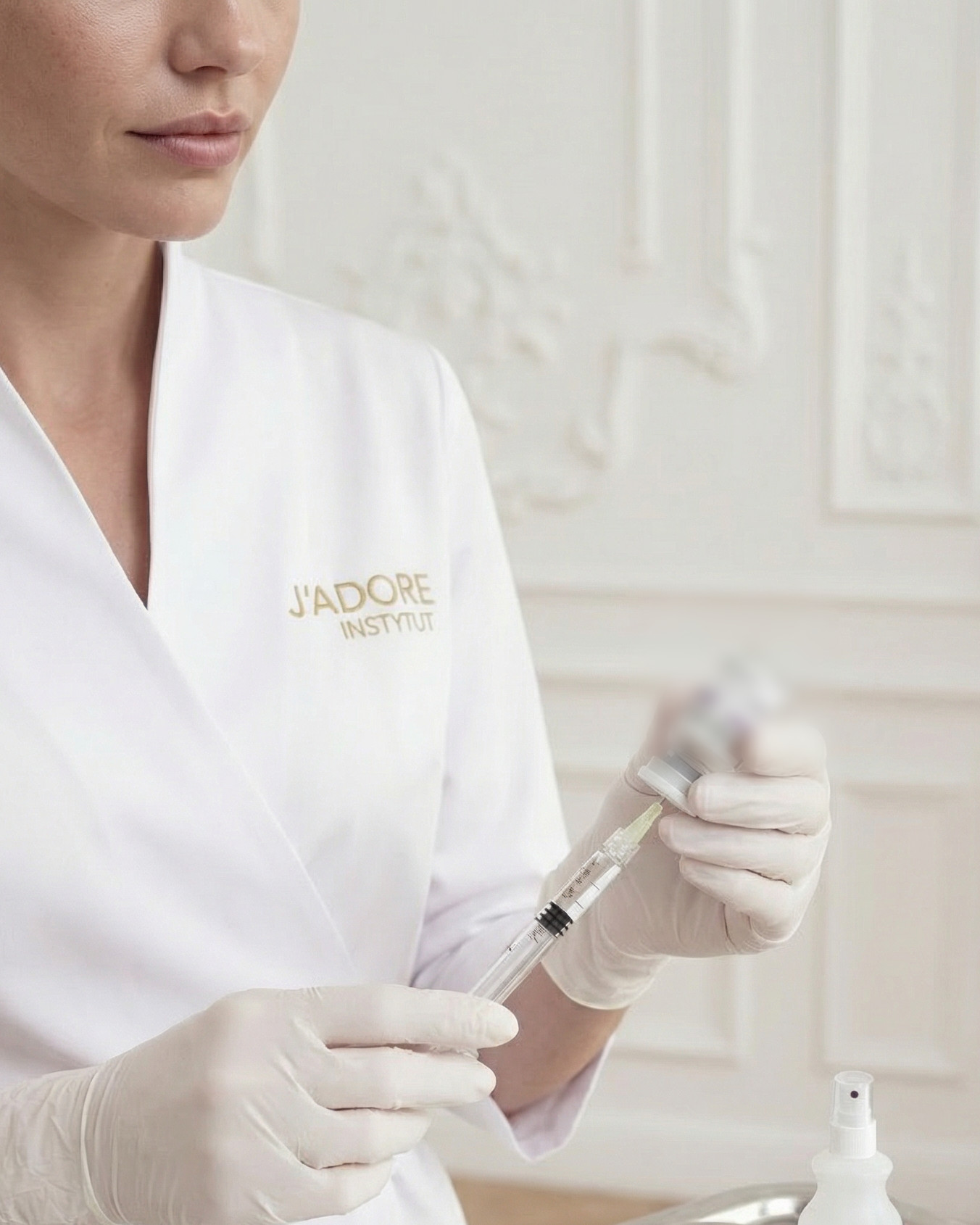
- base: your own blood — drawn, centrifuged, and reinjected
- platelet growth factors stimulate fibroblasts to produce collagen
- deeper regeneration — fibres, density, elasticity
- results build gradually — visible after 4–6 weeks
- indications: scars, tired skin lacking firmness, hair loss
Exosomes
pass repair instructions between cells
- nanostructures — lipid vesicles carrying genetic information
- act as "messengers": they tell cells what to repair and how
- modulate inflammation, speed up healing, stimulate regeneration
- exceptionally precise — targeted action at cellular level
- indications: post-laser recovery, scars, advanced rejuvenation
Mesotherapy
delivers nutrients directly into the skin
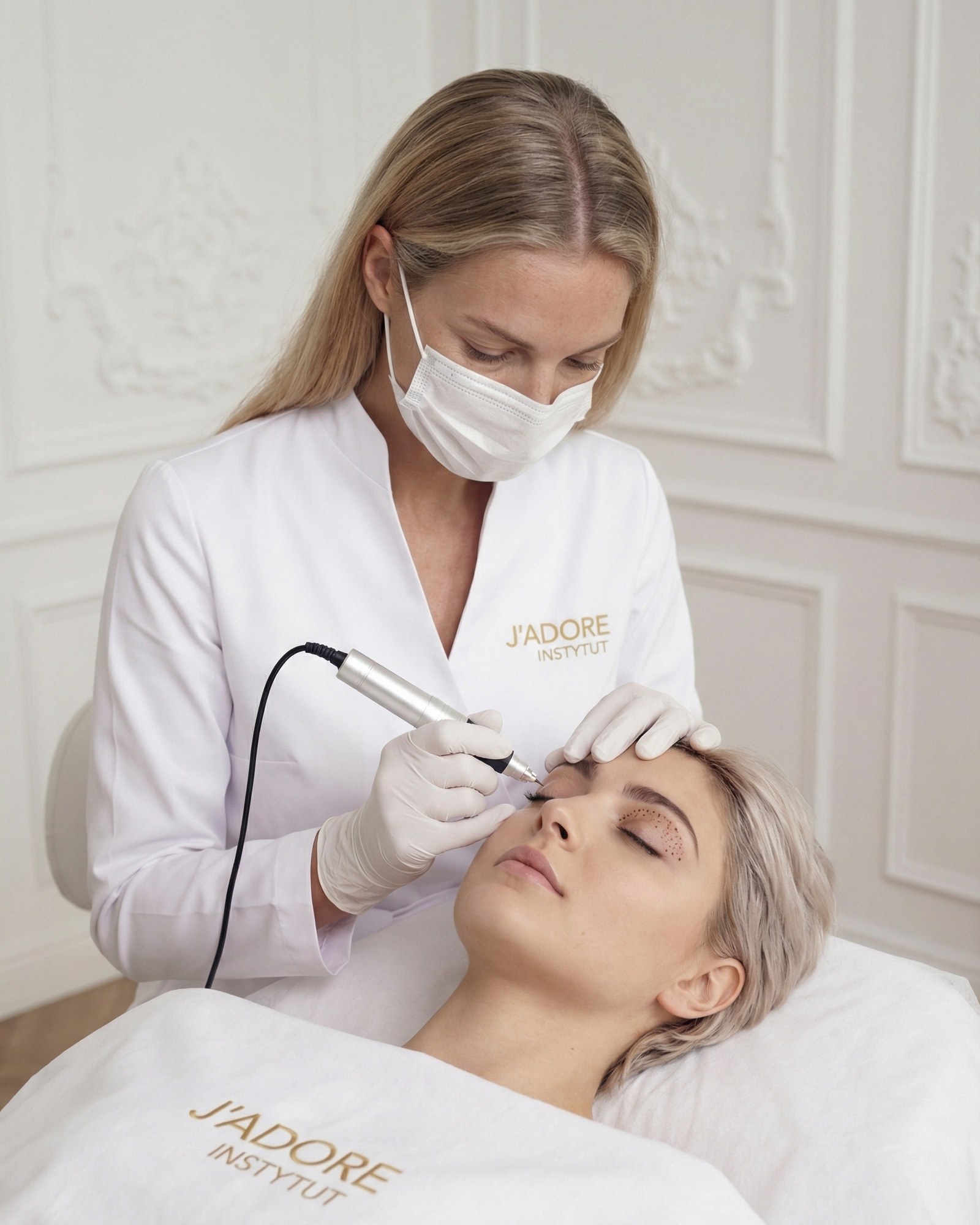
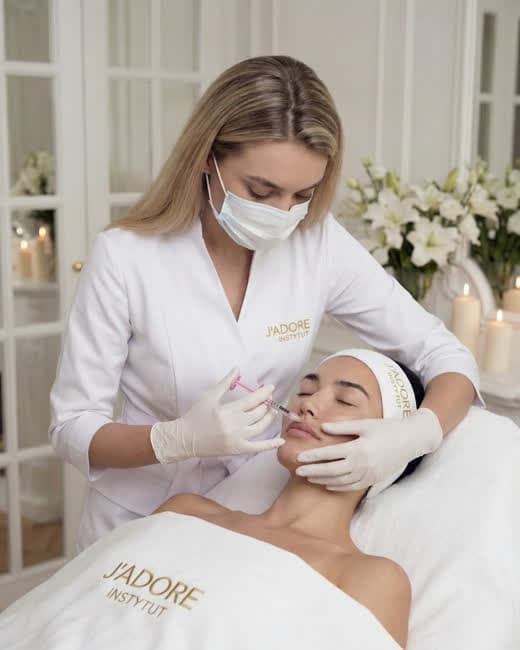
- micro-injections or a needle-free technique (electroporation, pressotherapy)
- cocktails: hyaluronic acid, vitamins, amino acids, peptides — customised individually
- hydration, improved radiance, slower ageing — visible faster than with PRP
- versatile — the formula can be adjusted to your skin's current condition
- indications: dryness, dullness, first signs of ageing, preparation for another treatment
How to identify what you need — a home test
Before your consultation, it's worth asking yourself a few specific questions. Your answers give a clear signal on which direction to take the conversation with a specialist:
- My skin is dry, dull and lifeless — especially in winter or after stress. This is a classic sign of deep hydration and nutrient deficiency. Direction: hydrating mesotherapy as a first step.
- I notice my skin losing firmness, becoming thinner and less elastic — but I don't want "filling". This is a problem of lost structure — not volume, but quality. Direction: PRP or a biostimulator, to stimulate your own collagen.
- I have an acne scar, post-inflammatory hyperpigmentation, or skin that's slow to heal. Here, precision and inflammation modulation matter most. Direction: exosomes or PRP, depending on how deep the problem is.
- I have a laser treatment planned, or I've recently had an aggressive procedure, and I'm looking for something to speed up healing. Direction: exosomes — they work best as a peri-procedural protocol.
- I don't have a specific problem — I just want to keep my skin in good condition and slow down ageing. Here you can start with mesotherapy, then weave PRP into a seasonal plan once a specialist has assessed your skin.
None of these answers can replace a consultation — skin is a dynamic tissue, and its condition changes with age, the season and your lifestyle. But simply knowing what you're looking for means a specialist can propose a plan instead of a single treatment.
PRP vs mesotherapy — what really sets them apart?
This is the most common comparison in salons — and one of the most misleading, because both methods are delivered by injection, both require a series of sessions, and both improve skin condition. But the key difference lies in the source of the active substance: in mesotherapy, it's external nutrients (hyaluronic acid, vitamins, peptides); in PRP, it's your own biological repair factors. In other words: mesotherapy feeds the skin, PRP tells it to repair itself.
When it's best to combine them
Regenerative methods rarely exclude one another — more often, they act as layers of the same strategy. The doctor or specialist decides on the final sequence and intervals after assessing your skin, but the logic behind combining methods is usually similar:
Hydrating mesotherapy + PRP
first rebuild the hydration and nourishment barrier, then move on to deep collagen stimulation. A classic duo to start any serious regenerative protocol.
PRP + exosomes
particularly after laser or fractional treatments: PRP stimulates repair, exosomes modulate inflammation and speed up healing. This synergy is well established in dermatology practice.
Mesotherapy + exosomes
a combination for reactive or atopic skin, or skin recovering from aggressive dermatological treatment: a nourishing cocktail plus precise inflammation modulation.
All three in a seasonal protocol
spread out over time according to your skin's current needs: mesotherapy in autumn as a "kick-start", PRP in winter for intensive rebuilding, exosomes for specific interventions.
The decision to combine methods should always come from a consultation — not from an offer or a trending buzzword. A good regenerative plan looks like a strategy, not a shopping list: it has a goal, a sequence and a timeline. If a salon immediately proposes the "full package" without first assessing your skin, it's worth asking on what basis.