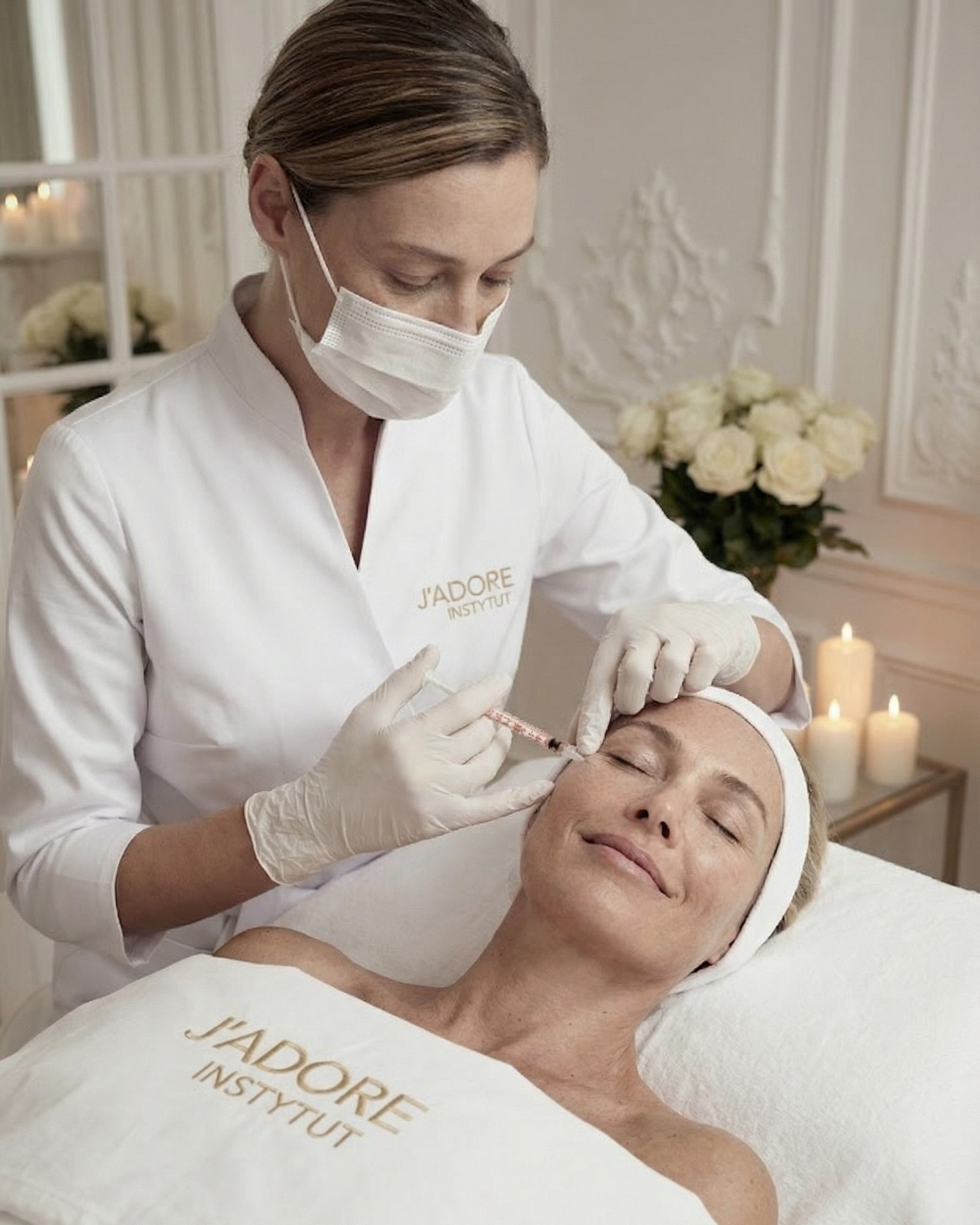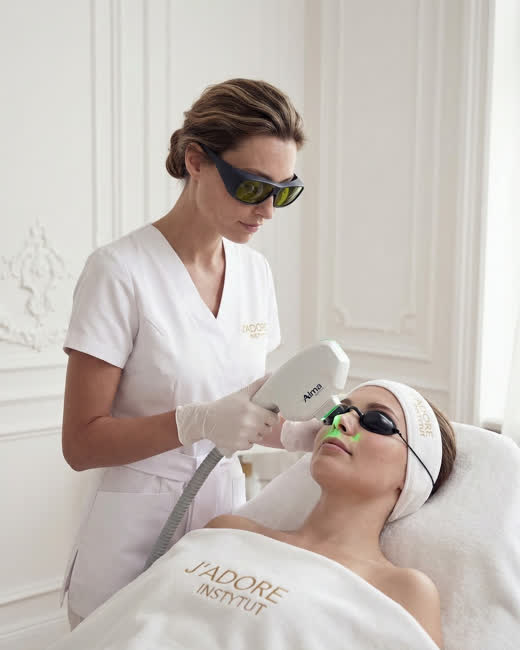
The first 24 hours: do not test the resilience of freshly treated skin
The week ends not by returning to the maximum number of steps, but by regaining predictability. If your skin tolerates your usual routine well, there is no need to add a product to lock in the effect. If it is still reacting, do not cover the problem with makeup and endless patience. Contact the person who performed the treatment, report the progress day by day, and determine the next steps.
Swimming pools and natural bodies of water add chlorine, salt, microorganisms, and the need for more frequent washing. Do not plan these immediately after your visit without agreement. If swimming is part of your regular training, mention this before the treatment so that the timing and recommendations are realistic. A plan you cannot follow does not become effective just by writing it down. Sometimes it is better to move the visit to a quieter day than to give up a necessary activity.
Do not perform extractions yourself on blemishes that have become more visible after a few days. The skin may look cleaner, but a single follicle opening is still not an invitation for fingernail pressure. If the problem recurs in the same area, take a photo and discuss it during your follow-up. Mechanical corrections at home increase the risk of a wound, a scab, and a mark that the treatment itself was meant to help you avoid.
The simplest weekly log fits into seven short sentences: one each evening about redness, comfort, new blemishes, and active products used. You do not need to measure every pore or photograph your face every hour. It is about the direction. If the skin calms down day by day, the plan is working. If the reaction increases, the log will show the moment of change and facilitate a quick, specific conversation with the salon.
Care for the eye area requires separate caution. Do not apply a product closer to the eyelid just because your cheek tolerates it well. If the treatment included this area, stick to the instructions regarding cosmetics and makeup. Increasing eyelid swelling should not automatically be considered simple skin hydration. Take a photo, remove new products from your routine, and contact the salon; for a rapidly developing reaction, seek medical help.
Shaving your face in the first few days can add friction, especially when the skin is tight or red. If you must shave, wait until the skin is calm, use a clean tool and a known, gentle formula, according to the recommendations. Do not perform an aggressive blade peel at the same time. Glide and a low number of passes are more important than achieving the closest shave on a freshly treated surface.
A change in weather can affect comfort regardless of the treatment. Frost, wind, air conditioning, and dry heating intensify tightness, while heat increases sweating. Do not automatically attribute every reaction to one cause, but adjust your protection. A barrier cream and limiting exposure can help if they are part of a known routine. Introducing several new weather-related cosmetics at once will make it harder to identify the source of irritation later.
Diet and hydration will not replace post-treatment recommendations. Drinking a huge amount of water will not "flush toxins" from the skin or prevent a reaction to a cosmetic. Eat and drink normally, avoiding your own known triggers for redness. Do not introduce a restrictive cleansing diet after your visit, because any subsequent change in the skin will be impossible to attribute to the treatment, stress, or a sudden change in eating habits.
If you use dermatological medications, do not discontinue them on your own based on general blog advice. The plan for a break and return should come from the person managing your treatment and take the performed protocol into account. The cosmetology salon must know about your treatment before the procedure, but it should not change your medical treatment arbitrarily. The boundary of competence protects the skin from chaotically switching between recommendations from different sources.
Before an event, do not judge the effect only an hour after the treatment. Gentle redness may disappear, but dryness may also appear after washing at home. Plan your first session with a margin to learn your skin's response. If the treatment is to be repeated before future events, your own record of reactions will allow you to choose a date more reasonably than a universal promise of no recovery period.
After a week, ask yourself one question: is the skin calmer with your usual routine, or did it only look good directly under the salon lamp? The answer helps you decide on the sense of another visit. If the effect was short, do not assume immediately that you need more frequent sessions. Perhaps the goal requires a different method, or perhaps your home care or an active dermatological problem has a greater impact than surface cleansing.
Establish your first recommendations before you leave. Ask which stages were performed, whether a peel, ampoule, or other procedure was used in addition to cleansing, and exactly when you can return to your routine. The name of the visit does not always describe all stimuli, and it is the full protocol that determines the caution required. If the salon's recommendations differ from a general guide, the plan relating to the service actually performed and the current skin reaction takes priority.
After returning home, do not check for smoothness with your fingers every few minutes. Hands carry impurities, and repetitive rubbing can intensify redness. If you must wash your face, use lukewarm water and a known, gentle product, according to the instructions received. Press the towel instead of rubbing. The skin does not need squeaky cleanliness; it needs a calm end to the day without another round of intense cleansing.
On the first evening, give up home devices, sonic brushes, sponges, massagers, and pore vacuums. The fact that the treatment left no visible damage does not make the skin resistant to the accumulation of mechanical stimuli. Do not try to fix a single blackhead either. Squeezing after professional cleansing can cause more inflammation than benefit, especially when the area has already been treated several times.
If you are planning a workout in the evening, assess the intensity and your skin's reaction. Sweat, high temperatures, and wiping your face can increase stinging. A calm walk is a different burden than intervals in a hot room. With reactive skin, it is easier to reschedule a heavy workout than to later distinguish treatment-related irritation from towel friction and sweat. When in doubt, stick to the salon's individual instructions.
Makeup is not forbidden forever, but applying it immediately can add friction, brushes, and ingredients your skin does not currently need. If you must use it, choose known products, clean applicators, and the simplest layer possible. Do not test a new foundation on the day of the treatment. Perform your evening makeup removal gently, without rubbing repeatedly with a cotton pad just to remove every speck in one go.
The next morning, examine your face in natural light. Short-lived redness, slight tightness, or temporary sensitivity can happen, but the direction should be calming. Take a photo if something worries you, always without a filter and in similar light. Documentation helps compare the change after a few hours and provide the salon with specific information instead of a general statement that the skin looks different.
Apply sun protection regardless of the season. It is not that hydrogen cleansing is a strong peel, but about maintaining a stable, non-irritating routine and limiting factors that promote hyperpigmentation. Choose a product you already know and tolerate. A new filter with a perfumed formula tested the morning after the treatment can trigger a reaction whose source will not be easy to determine.
On the second day, pay attention to comfort after washing, not just the shine. If your face feels very tight, simplify your routine and use a known cream that supports the barrier. Do not compensate for dryness with a thick layer of a random oil, especially if you are prone to blackheads. The product should serve a specific need. An excess of cosmetics makes it difficult to identify which ingredient is responsible for any stinging or rash.
Active ingredients return one by one, not in a package. A retinoid, an exfoliating acid, strong vitamin C, and an anti-acne preparation applied in one evening create a burden that cannot be attributed to one element. Start with the product best known to your skin and observe. If the salon recommended a longer break, do not shorten it because your face looks good. The absence of visible redness is not a full measurement of the barrier's state.
On the third day, individual blemishes that were previously developing under the surface may appear. Do not automatically call every pimple "skin purging." The treatment is not obliged to cause a breakout, and worsening spots may result from irritation, a cosmetic, touching, or an independent process. Take a photo, do not squeeze, and observe the extent. If it worsens quickly, contact the salon or a dermatologist.
Your pillowcase, phone, and glasses have frequent contact with your face. Their usual cleanliness is more important than a ritual of sterilising the entire apartment. Change your pillowcase, wipe your phone according to the device's guidelines, and do not rest your chin on your hands. However, do not overdo the disinfection of the skin itself. Alcohol and strong antiseptic agents used without indication can damage the barrier instead of protecting it from a problem.
The fourth day is a good time to assess whether the skin is returning to its sebum secretion rhythm. Do not expect a permanent stop to oiliness. Cleansing the surface and follicle openings does not turn off the sebaceous glands. If sebum appears again, it does not automatically mean the treatment was ineffective. Strong degreasing several times a day can increase discomfort and put the skin into a cycle of constant dehydration.
If you wear a protective mask, helmet, or other equipment that touches your face, remember about friction and moisture. After use, cleanse the skin gently, without scrubbing, and ensure the contact surfaces are clean. Do not give up necessary equipment for the sake of beauty, but limit unnecessary repeated touching. If irritation occurs in a specific place, note whether it coincides with the edge of the mask or a strap.
On the fifth day, you can return to more typical care if there is no stinging, itching, swelling, or increasing redness. However, returning means known products at the usual frequency, not making up for missed applications. A double dose of retinoid does not compensate for a break. The skin does not keep a calendar of arrears. Assess each active ingredient by its reaction, not by the need to quickly restore all steps.
On the sixth day, the result stops being a fresh salon finish and better shows the daily effect. Compare softness, roughness, the visibility of impurities, and comfort with the same care. Do not use a photo under a different lamp for assessment. Light shining directly on the face smooths texture, while side light highlights every pore. An honest comparison requires a similar angle, facial expression, distance, and the absence of a cosmetic that adds shine.
The seventh day is not a deadline by which every person should start another strong treatment. If the skin is calm, you return to your established routine. If it is still reactive, you continue the simple plan and ask for an assessment. Do not automatically book a peel, microneedling, or another procedure just because a week has passed. The interval depends on the entire protocol, the state of the skin, and the goal, not on a universal number of days.
Alarm signals differ from ordinary redness primarily in direction and intensity. Redness that fades quickly is a different situation than a patch that spreads over subsequent hours. Similarly, slight tightness is not the same as increasing pain. Pay attention to blisters, oozing, extensive swelling, severe itching, heat in the skin, and symptoms of infection. Do not wait until the seventh day if the problem is developing.
When contacting the salon, provide the time of the treatment, the moment symptoms appeared, their direction, and all cosmetics used afterwards. Attach a photo without a filter. Do not just write "allergy," as that is already an interpretation. Describe what you see and feel: swelling, itching, stinging, rash, pain. Such information helps decide whether observation, a change in care, or a medical consultation is needed.
Do not treat a strong reaction with advice from a random comment on the internet. A home acid, essential oil, alcohol, ointment borrowed from a loved one, or mechanical exfoliation can blur the picture and worsen the condition. In case of rapid facial swelling, difficulty breathing, or general symptoms, urgent medical help is needed, not correspondence with the salon. Safety takes priority over determining fault and assessing the cosmetic effect.
Hydrogen cleansing will not permanently remove pores, cure active acne, or stop sebum production. It can improve surface smoothness, freshness, and comfort, but if the main problem is painful inflammatory lesions, scars, or sudden worsening, an appropriate diagnostic plan is needed. Repeating the treatment at increasingly shorter intervals does not expand its capabilities and may add an unnecessary stimulus.
Before your next visit, summarise the week with three pieces of information: how long the redness lasted, when you returned to active cosmetics, and whether new blemishes appeared. This allows for adjusting the future protocol. If everything went calmly, the record still has value — it gives you your own point of reference before an important event. If the reaction was long, the specialist should take it into account instead of repeating the identical plan without a conversation.
Do not rub your face, do not perform a home peel, and do not apply new, potentially irritating cosmetics. Gentle washing, a known cream, and sun protection are enough. Give up the sauna, intense training, and very hot baths if they cause strong reddening. Limit makeup, especially when the skin is reactive.
Days two and three: assess the direction of changes, not a single spot
Light, short-lived redness should fade. The skin may be tighter or, conversely, seem soft and smooth. Do not squeeze blemishes that have appeared after cleansing. Maintain simple care and return to active products one by one, only if the specialist has not advised otherwise.
Days four and five: the return to your routine should be gradual
If the skin is calm, you can restore known cosmetics. Do not introduce several active ingredients in one evening, because in case of a reaction, you will not determine the cause. It is better to include retinoids, acids, and strong anti-acne preparations according to the recommendations of the person managing your skin.
Days six and seven: the result is assessed without artificial light
Check the texture, comfort after washing, and sebum behaviour in normal light. The immediate glow may partly result from hydration and surface smoothing. Do not expect one session to remove established blackheads, scars, active acne, or hyperpigmentation. Hydrogen cleansing is care, not a treatment for skin disease.
When not to wait until the end of the week
If a reaction occurs after the treatment that goes beyond short-lived redness, document it with a photo in neutral light and contact the salon. Do not mask the problem with more acids or a random anti-allergy preparation without consultation. Information about when symptoms appeared and the cosmetics used helps assess the situation.
A Krakow care plan without guesswork
You can find a description of the treatment on the hydrogen cleansing in Krakow page. Before leaving, ask for a record of recommendations tailored to your routine. For a week, consistency wins: gentle washing, restoring comfort, UV protection, and a slow return to active ingredients.