
Hair does not fall out suddenly — it dies slowly
Hair loss may seem like a sudden event: one day you look in the mirror and see less hair. In fact, the process continues for years before it becomes visible. Every hair grows from a follicle — a living structure in the scalp that works in cycles: growth phase (anagen), transitional phase (catagen) and resting phase (telogen). A healthy follicle remains in the growth phase for several years. When something goes wrong, this time becomes shorter.
In classic androgenetic hair loss, which is most common in both men and women, follicles gradually miniaturise. Each growth cycle becomes shorter. Hair grows back finer and lighter, until it is too fine to be visible to the naked eye — although the follicle technically still exists. At this stage, the follicle is described as “dormant”, not “dead”. This is where PRP comes in.
- Anagen (growth) — the active phase, lasting from two to several years. Hair grows. The longer a follicle remains in this phase, the longer the hair.
- Catagen (transition) — several weeks when growth stops. The follicle “resets”. In a healthy scalp, this is a short break.
- Telogen (rest) — the hair “waits” to fall out and be replaced by a new one. Natural daily shedding of 50–100 hairs occurs mainly during this phase.
- Exogen — the phase of physical hair shedding. New hair pushes out the old one. When the cycle does not work properly, the growth phase shortens and telogen becomes longer — causing visible thinning.
What is PRP and what does platelet-rich plasma do in the scalp?
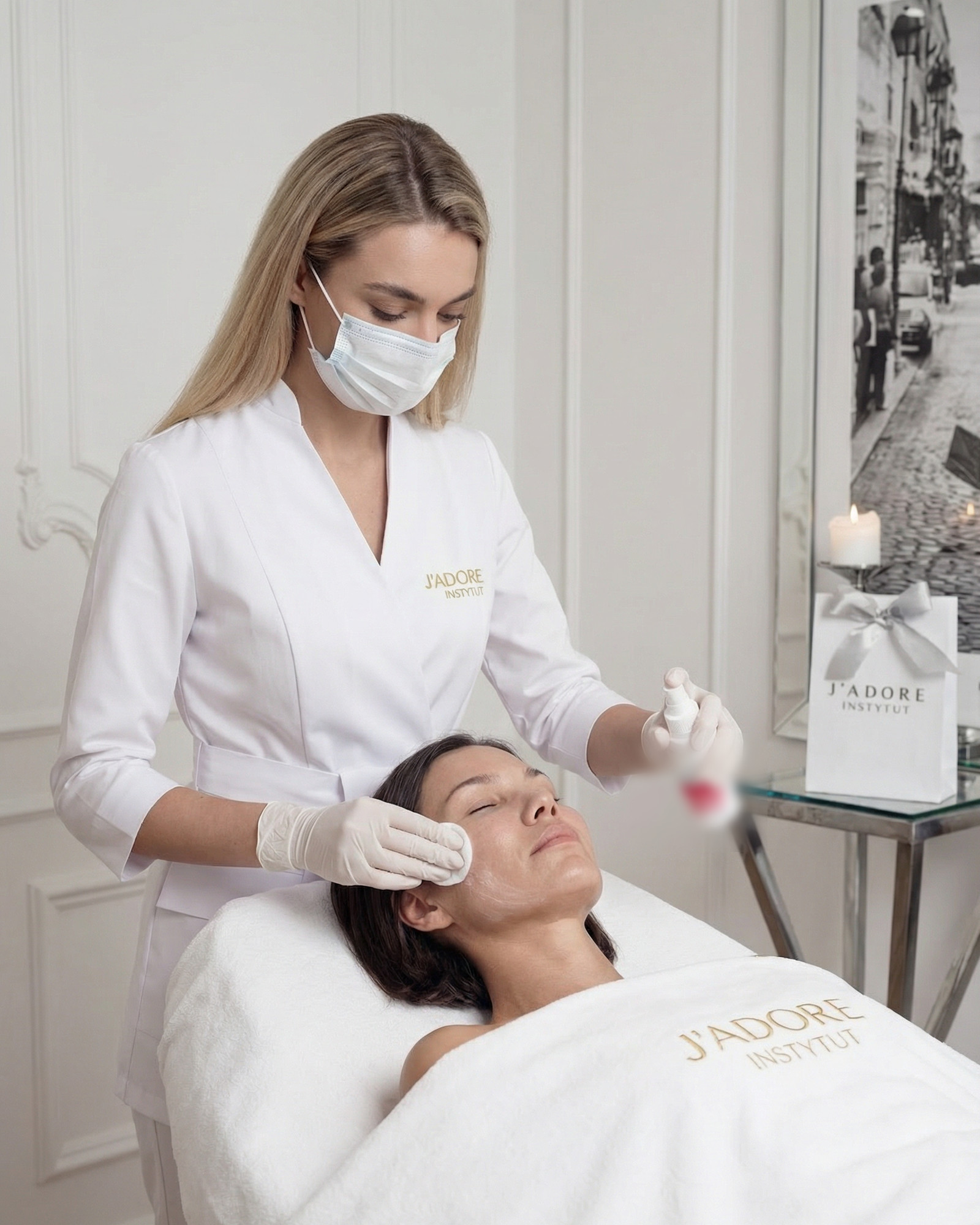
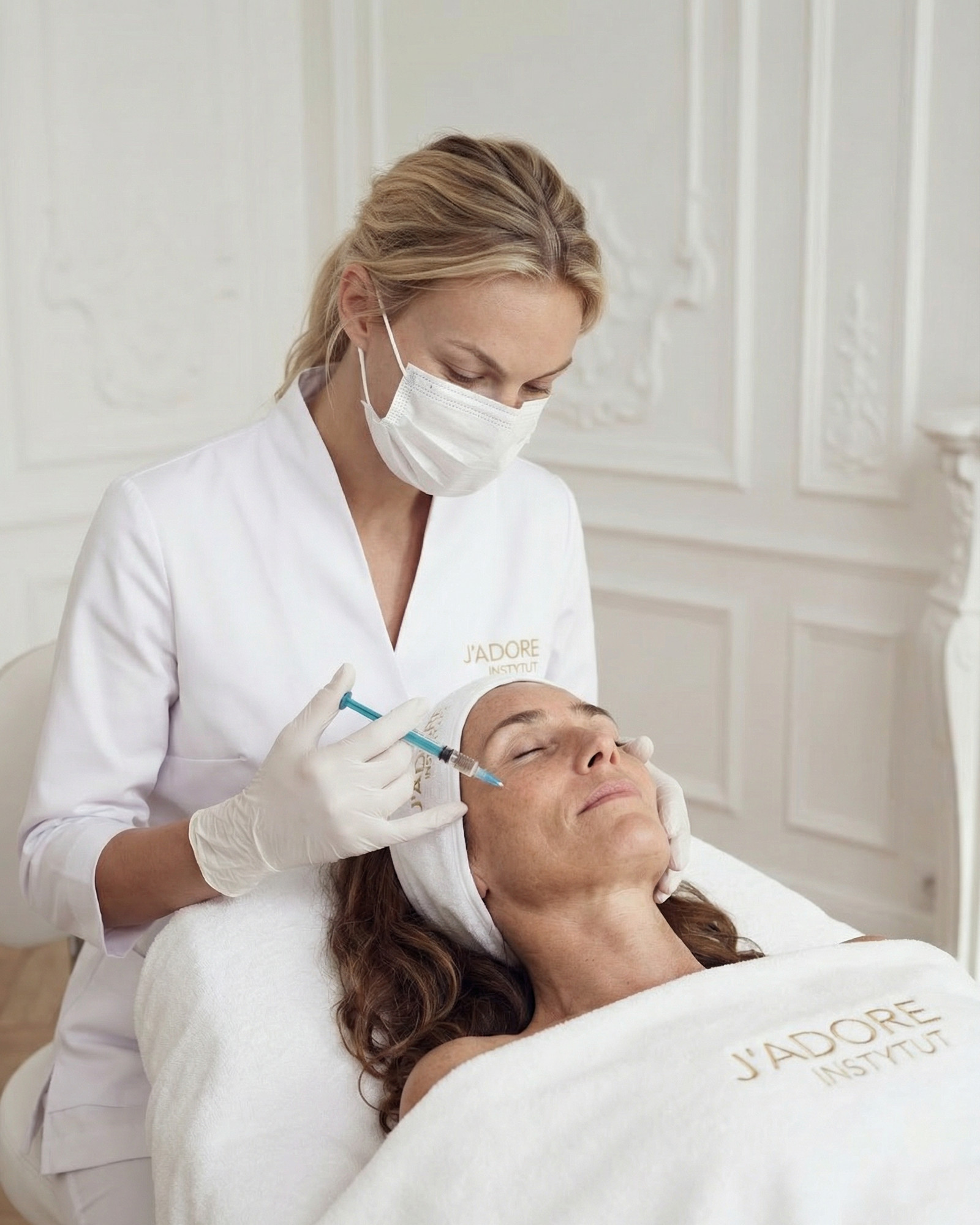
PRP stands for Platelet-Rich Plasma — platelet-rich plasma. It sounds complex, but the mechanism is elegantly simple. We take a few millilitres of your blood and spin it in a centrifuge to separate the platelets from the remaining components. We then inject the platelet concentrate where it is needed. For hair — directly into the scalp.
Why platelets? They are a natural “storehouse” of growth factors — proteins the body uses for repair and regeneration. When an injury occurs, platelets activate immediately and release these factors to initiate healing. With PRP, the same mechanism is activated in a controlled way, directly around the hair follicles. Growth factors stimulate follicle cells, extend the anagen phase and support local blood supply — nourishing the area.
What PRP really does
proven mechanism
- Activates dormant follicles that are still capable of growth
- Extends the anagen (growth) phase in subsequent cycles
- Improves microcirculation in the scalp
- Slows follicle miniaturisation
- Strengthens finer, weaker hair
What PRP does not do
important limitations
- It will not restore dead follicles (hair loss that is too advanced)
- It will not replace a transplant in complete baldness
- It does not work permanently without maintenance
- It will not reverse a genetic predisposition to hair loss
Who PRP is suitable for — the treatment window
This is the key point. PRP is not a treatment for everyone — not because it is ineffective, but because it only works when there is something it can help. The key question is whether there are still active or dormant follicles in the thinning area. If there are, PRP makes sense. If the follicles are dead and have long been replaced by connective tissue, no growth factor can help.
- Early thinning that you have noticed recently — this is the ideal window. The follicles are still alive, and some are simply working more slowly. Here, PRP can genuinely halt and reverse the trend.
- Male pattern baldness at a moderate stage — a proven indication. We will not reverse changes from 10 years ago, but we can strengthen the hair that remains and slow further loss.
- Hair loss after stress, illness or pregnancy (telogen effluvium) — PRP may shorten the regrowth phase and speed up the return of density when follicles are healthy but “shocked”.
- Prevention for people with a family history of hair loss — before thinning becomes visible, preventive PRP may significantly extend the time follicles remain functional.
- Support after a hair transplant — PRP used after transplantation improves the take of transplanted follicles and accelerates their growth.
What a PRP programme looks like and what to expect
PRP is not a single injection. To achieve a lasting result, you need a series of treatments followed by a maintenance phase. This is due to biology. One stimulus activates the follicles, but for a change in the growth cycle to become established, the signal must be repeated. A typical protocol includes several treatments at monthly intervals, followed by less frequent maintenance sessions. Your individual plan is always set after assessing the scalp and the rate of response.
Results develop over time. The first thing people usually notice — a few weeks after the first or second treatment — is reduced shedding. More noticeable regrowth of new, thicker hair appears later, after several months. This requires patience, but it is logical. Follicles need time to complete a full cycle and grow hair. There will be no “overnight” result — and anyone who promises one is lying.
What else can be done — a multi-directional approach
PRP works best as part of a broader plan, not as the only tool. The scalp is tissue like any other. It needs nourishment, good circulation and the absence of chronic inflammation. Alongside PRP, it is worth considering what else can be done to create the best possible microenvironment for the follicles.
Biological stimulation
follicle activation and restoration
- PRP — growth factors from your own blood
- Scalp mesotherapy — nourishing cocktails, vitamins, peptides
- Exosomes — a new generation of cellular stimulation
Home support
daily essentials
- Regular scalp cleansing (without allowing sebum to build up)
- Scalp massage — improves local circulation
- Diet therapy — iron, zinc, biotin, protein
Hair thinning rarely has a single cause. In androgenetic alopecia, there is also a genetic predisposition — and no treatment can change DNA. Even so, you can maximise the potential of the follicles that remain and delay the point at which hair loss becomes visible. That is the aim: not magic, but making the most of the biological window while it remains open.