Where the myth of “just running a spatula over the face” comes from
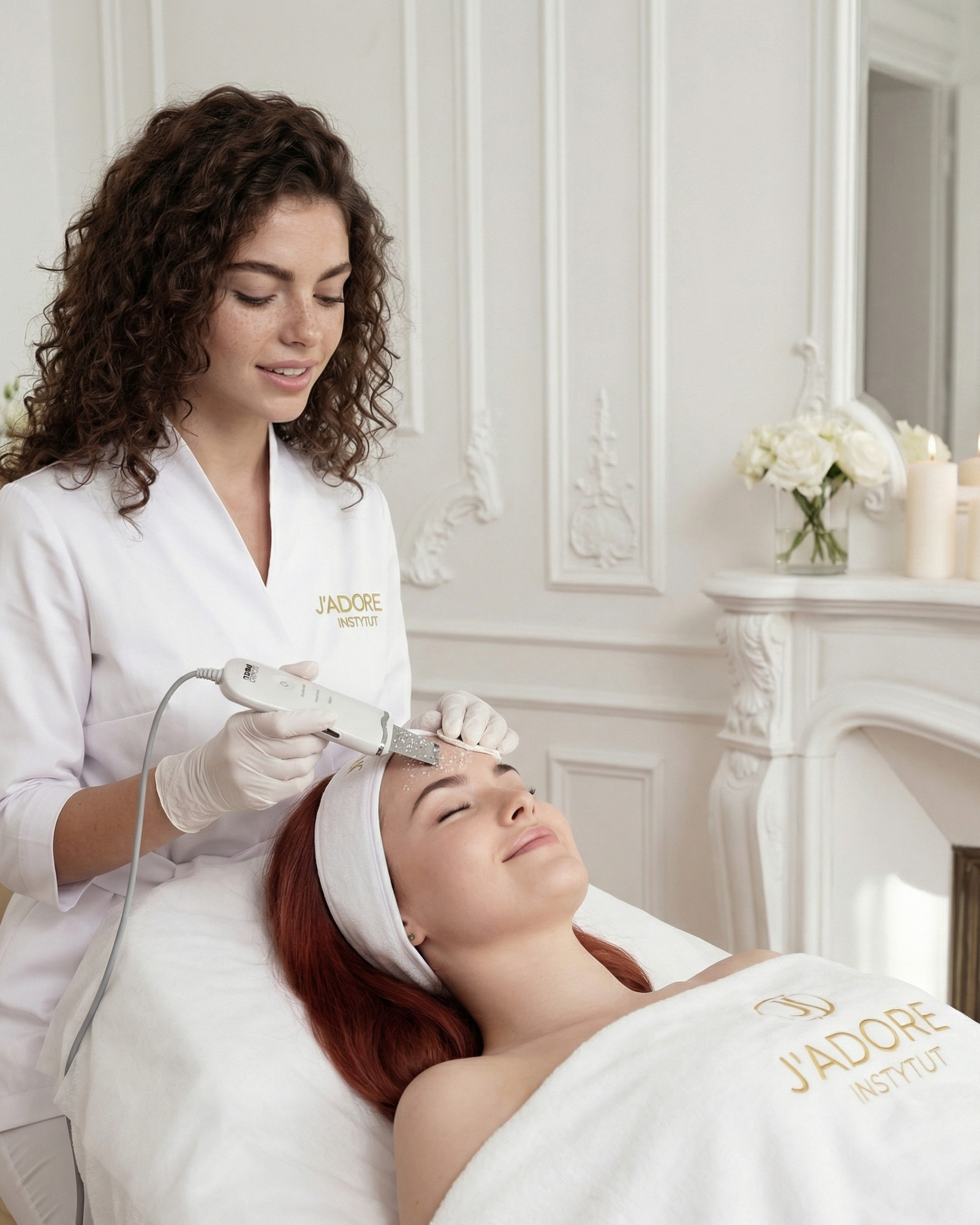
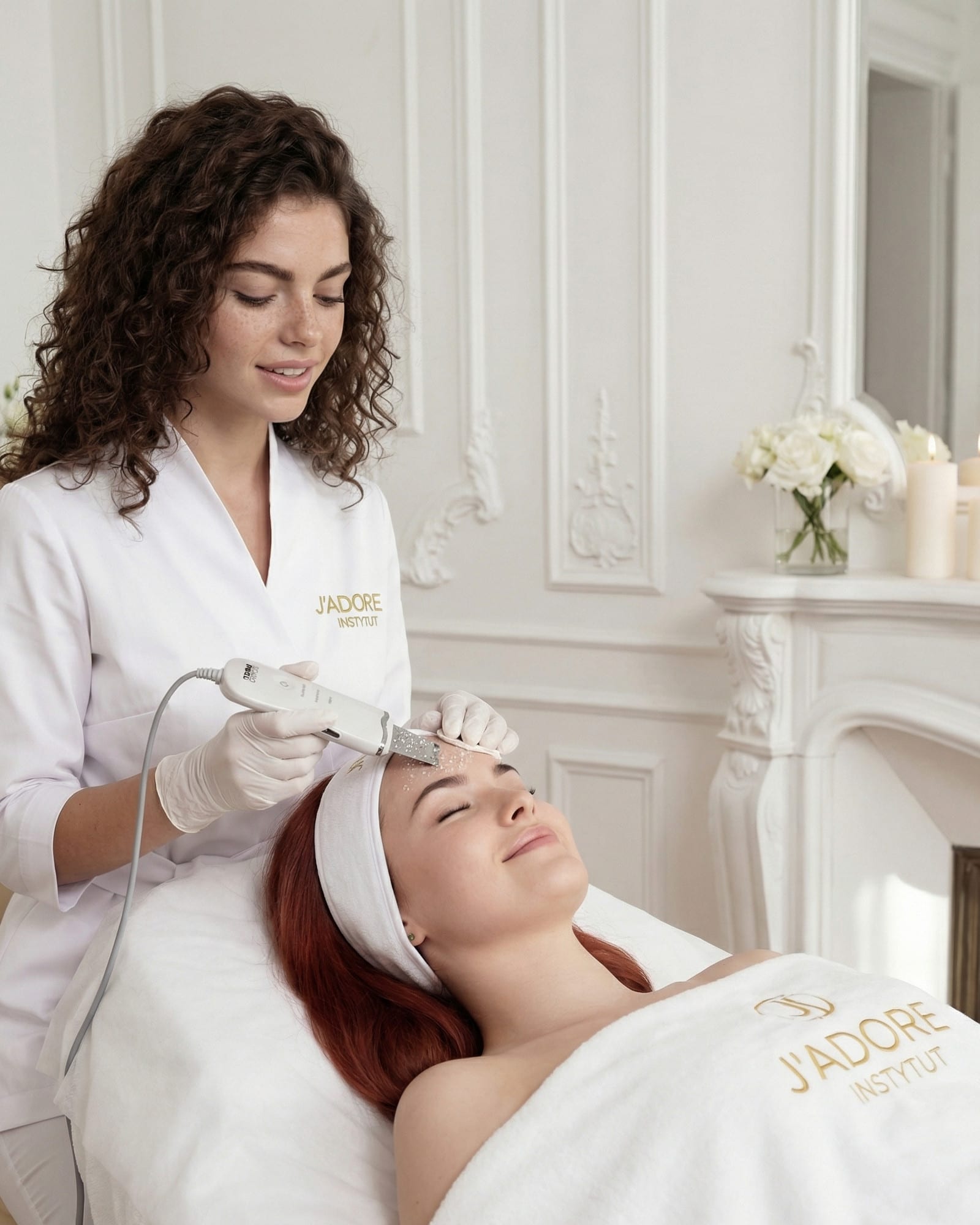
Ultrasonic cavitation is a physical phenomenon. The device head causes water molecules to vibrate so rapidly that microscopic bubbles form and immediately implode. This micro-explosion occurs just beside the skin’s surface. It helps loosen sebum plugs, exfoliate dead epidermal cells and temporarily increase the skin’s permeability to active ingredients. It sounds complicated, but the result is simple: after this treatment, the skin is clean, smooth and ready to absorb more from every mask or serum than it would without it. The problem begins when this mechanism is treated as background rather than a tool with a precise purpose.
Myth 1: “A cavitation peel is a cavitation peel — wherever you go”
This is the most costly myth of all. The same name can conceal radically different protocols: from a thirty-minute treatment with skin assessment, softening, a proper peeling phase, ultrasonic serum and a finishing mask — to a five-minute pass over the face with a spatula, without preparation or anything afterwards. Both are called “cavitation peel”. One is a treatment. The other is a face wash with a branded device in the background.
The difference is visible from the preparation stage. A professional cavitation peel begins with softening the skin — usually with steam or a special lotion that makes sebum plugs easier to remove through cavitation. Skipping this step means the spatula glides over the epidermis instead of genuinely cleansing it. It is rather like scrubbing a dish without soaking it first. Technically, something happens, but not what you need.
Myth 2: “The device does all the work”
Cavitation peel equipment is now affordable enough to buy for home use. If “anyone can do it”, perhaps there is no real difference? The difference is substantial. It lies not in the head itself, but in its angle against the skin, the speed of movement, the skin’s hydration level at that moment and the selection of zones requiring more intensive work. The nose and forehead, where sebum accumulates differently than on the cheeks, need a different approach from the eye area. With sensitive skin, some areas are avoided altogether. No device can sense this for its operator.
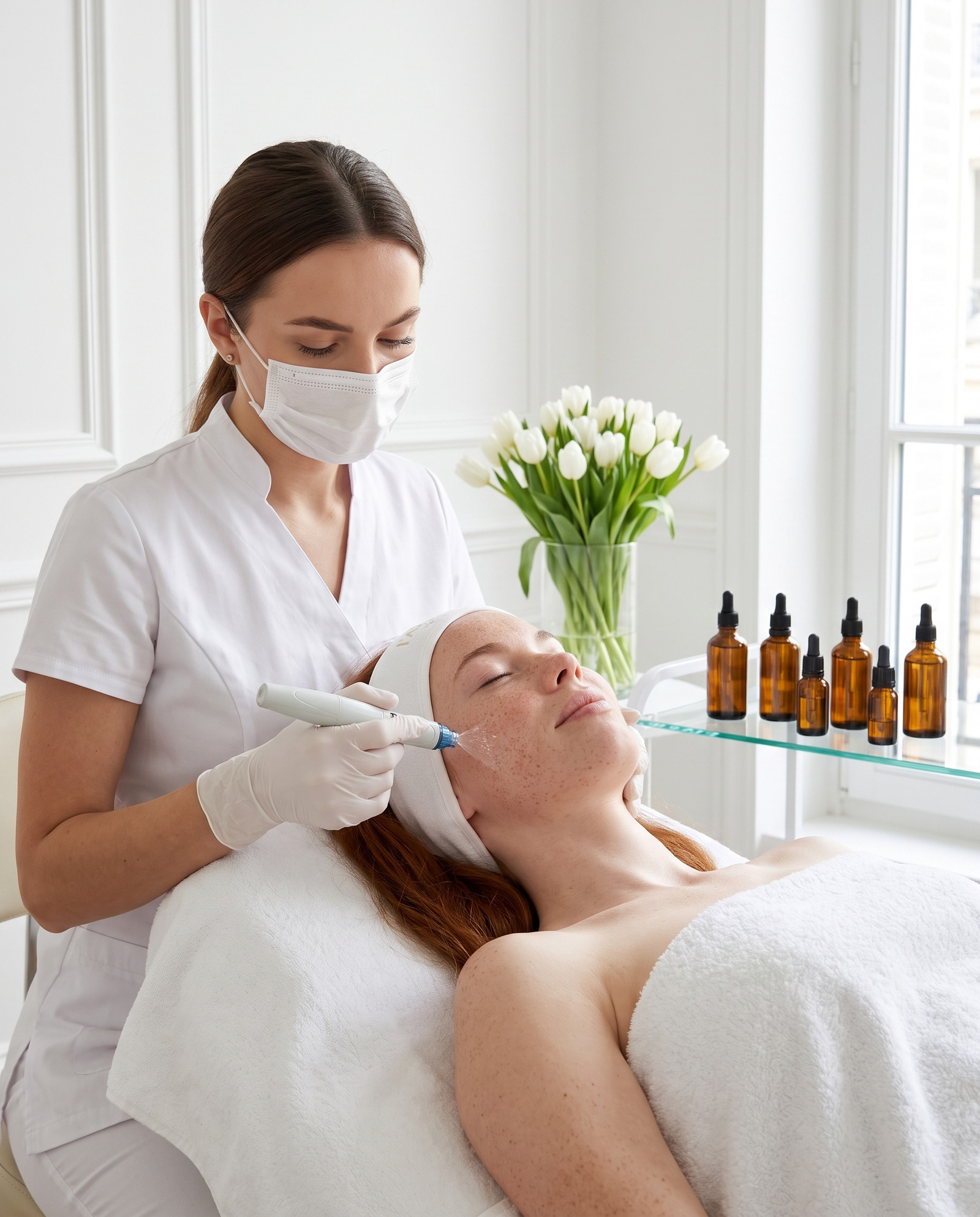
The same applies to product selection. The effect of the cavitation peeling phase is enhanced absorption — at this point, the skin absorbs what is applied to it far more efficiently. If a cheap gel without active ingredients is used because “it will be wiped away anyway”, this opportunity is wasted. However, if the cosmetologist selects a serum for a specific concern — pigmentation, dehydration or acne — cavitation peel becomes more than cleansing. It becomes a vehicle for targeted skincare.
Myth 3: “The cheaper it is, the worse it is — good equipment costs money”
This myth also works in the opposite direction — and is equally misleading. A high treatment price is no guarantee of quality. At an expensive wellness centre, you may receive the same five-minute pass with a spatula, only on a gold treatment bed with tea. The price reflects the venue’s standard and costs — not necessarily the treatment protocol or the qualifications of the person performing it.
Cavitation peel — the minimum that makes sense
Full protocol
- Consultation and skin assessment before the treatment
- Softening of sebum plugs before the peeling phase
- Cleansing phase adapted to different facial zones
- Serum or ampoule for ultrasound treatment (iontophoresis)
- Mask or finishing product after the treatment
- Skincare recommendations for the next few days
Cavitation peel — signs that it is only a face wash
Shortened protocol
- No questions about your complexion, medication or skin sensitivity
- The treatment lasts a few minutes immediately after you lie down
- No product is applied during or afterwards
- No recommendation to avoid make-up/sun exposure after the treatment
- The stated price is suspiciously low for a full protocol
Myth 4: “Cavitation replaces every other cleansing method”
Cavitation peel is one of the gentlest ways to cleanse the skin — and that is both its strength and its limitation. With deep comedones, cystic acne or a significantly thickened epidermis, cavitation works superficially. It mobilises what is close to the pore openings but does not remove what lies deeper. Trying to “cure” severe acne with cavitation peel alone is the quickest route to disappointment with this method.
This does not mean cavitation is worse than other methods — it means it has different indications. Combination skin with shallow comedones, mature skin requiring gentleness, and sensitive skin where other peels may irritate are all situations where cavitation often gives the best results. The problem arises when it is sold as a universal cleanse for everyone, without considering the condition of the skin.
Myth 5: “Results are always visible immediately”
This is a half-truth that causes half of all disappointments. After a well-performed cavitation peeling treatment, the skin may immediately look smoother, brighter and more radiant — the epidermis is cleansed and dead cells are removed. But deeper results, such as improved hydration, a reduced tendency towards blackheads and even skin tone, build over time and depend on regularity. One treatment offers a reset; a series of treatments brings change.
There is another side to this. After a treatment performed too intensively, or on inadequately prepared skin, the skin may be temporarily red or hypersensitive. Instead of radiance, you may see irritation. This is why, in a professional salon, the intensity is adapted to your skin’s condition on the day — not to what is written in the price list under “premium cavitation peel”.
Why it is the same treatment, yet the results differ so much
The answer is simple, though it is rarely said directly: cavitation peel is a tool, not a ready-made product. The result depends on whose hands hold the tool, the context in which it is used and what happens before and after it. The device does not think for itself. It does not know that the T-zone needs longer treatment, that the eye area is best avoided, or that this particular skin reacts more strongly to ultrasound than average.
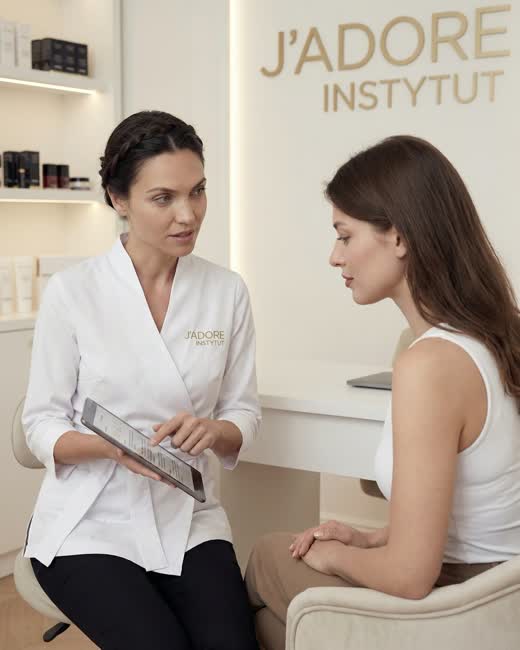
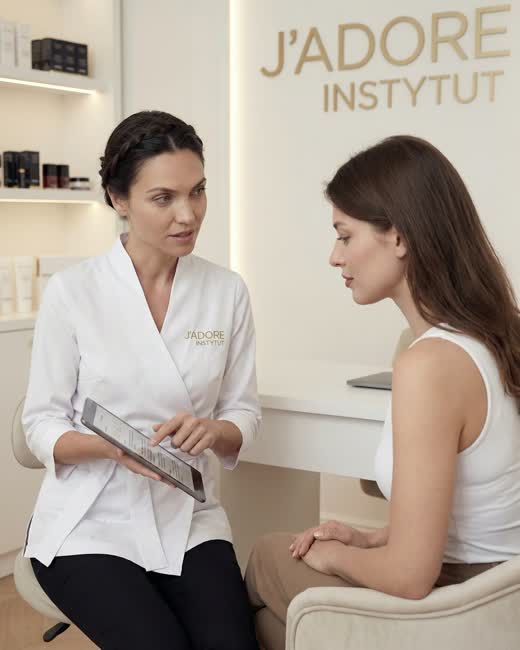
This is exactly why a consultation before your first cavitation peel is not a formality — it is the calibration of the entire protocol for you. What is your skin condition? What concerns do you have? What home skincare do you use? Do you take medication that affects your skin? Which active ingredients work well for you, and which do not? A cosmetologist who asks these questions is not “making the treatment longer” — they are simply performing it properly.
Before you book — three questions worth asking
Before choosing a cavitation peel somewhere new, ask three specific questions. First: how long does the treatment take and what does it include? If the cosmetologist answers specifically — softening, cleansing phase, ultrasound product, mask — you are dealing with a protocol. If the answer is something like “a standard cavitation peel”, it is worth asking further.
Second: is there a consultation before the first treatment? A salon that takes skin seriously will ask about your current skincare, medication and skin condition before switching on the device. This is not bureaucracy — it is the only route to a safe and effective protocol selection. Third: which products are used during the treatment? A serum or ampoule applied during the iontophoresis phase is at the heart of the treatment. If there is no active product, cavitation ends with cleansing, without any complementary skincare.
More than cleansing — what cavitation works best with
Cavitation peel becomes more valuable when combined with treatments that use what it prepares. Immediately after the cavitation peeling phase, the skin absorbs active ingredients more efficiently than under normal conditions. This makes it an ideal starting point for hydrating, brightening or stimulating treatments. This is why cavitation often opens a protocol: not as the main treatment, but as a gateway to what follows.
Microdermabrasion
Cavitation cleanses pore openings and softens the epidermis, while microdermabrasion smooths its surface more deeply — together, they can provide a more even texture than either method alone.
Needle-free mesotherapy
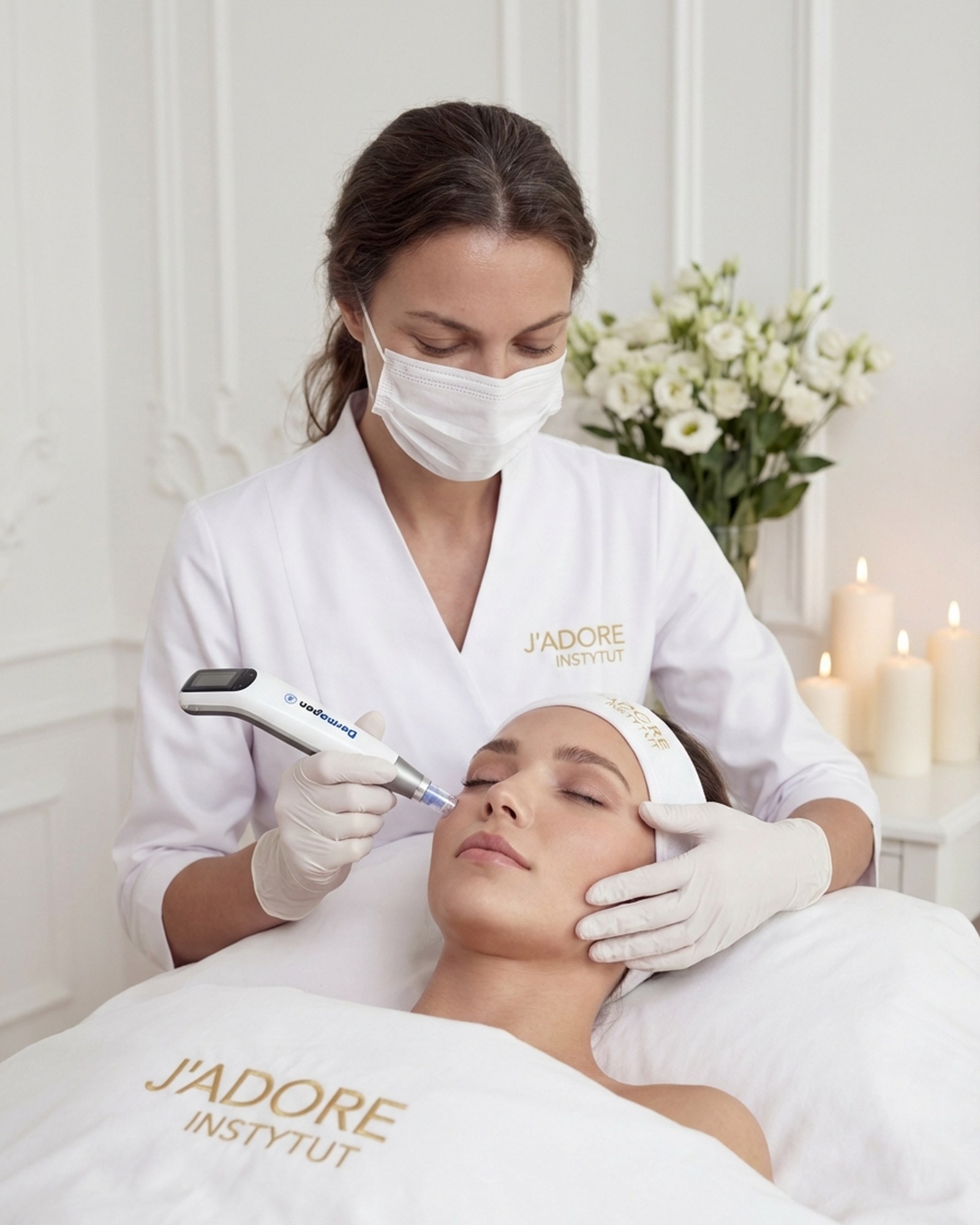
Cavitation peeling increases the penetration of active ingredients through the epidermis. This allows ampoules used in needle-free mesotherapy immediately after cavitation to reach deeper and work more effectively.
Alginate or ampoule mask
The epidermis cleansed with cavitation absorbs mask ingredients several times more readily. The finishing mask is not an add-on. It is an integral part of the protocol that enhances the result.
Hydrogen cleansing (Hydrafacial-type)
Both treatments cleanse and hydrate, but through different mechanisms. Cavitation breaks down impurities with vibrations, while the vacuum used in hydrogen cleansing extracts them. The combination may provide a more comprehensive result for combination skin.