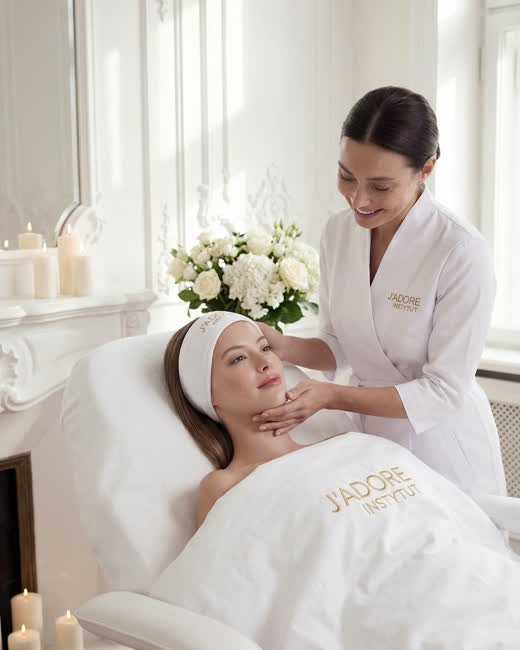
Where do myths about treatments for a “big day” come from?
There are two sources. The first is algorithms and TikTok: videos showing dramatic “before and after” transformations, with results visible “immediately” and “for one day”. The second is marketing that leaves things unsaid: an advert says “intensive skin renewal”, but not that your skin may be red, peeling or hypersensitive for several days afterwards. Both narratives omit what we explain during the first consultation: a genuinely good result for an important day comes from weeks, not hours.
Myths and facts — what is truly safe
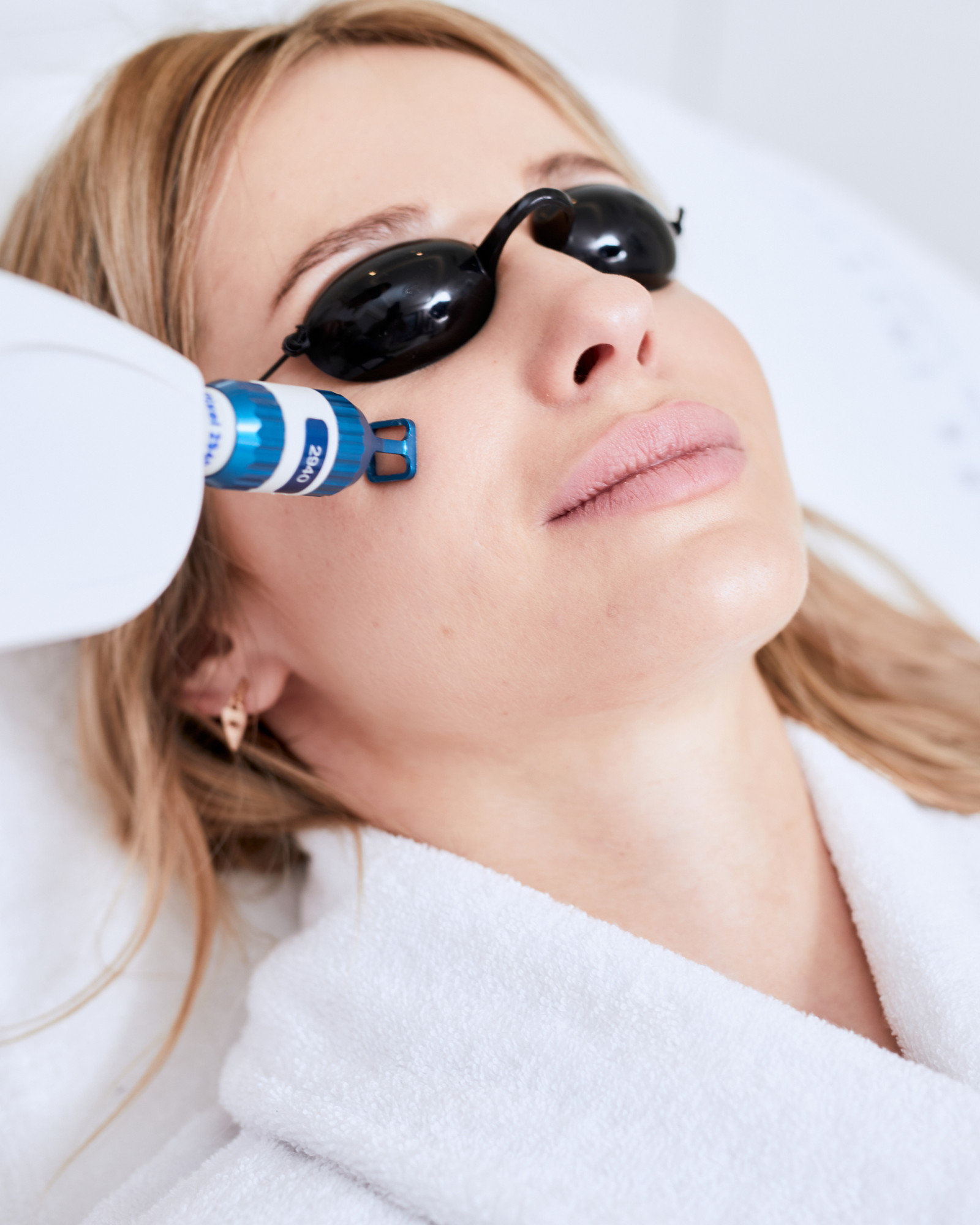
Myth 1: “I’ll have laser treatment a week before my wedding — my skin will be perfect.” This is one of the most common and costly mistakes. Laser treatments — whether for revitalisation or more intensive fractional treatment — require recovery time, depending on the treatment type and your skin. For several days afterwards, skin may be red and sensitive to heat and make-up. The full smoothing effect often appears only after two to four weeks. Our rule is: your last laser treatment should be at least four to six weeks before the event — ideally longer, so there is time for a minor touch-up if your skin reacts unpredictably.
Myth 2: “A strong chemical peel will give me a fresh complexion the next day.” Chemical peels cover a spectrum. Gentle acids may simply leave skin feeling smoother, while deeper treatments commonly involve several days of peeling and redness. This is normal, not a complication. The problem is that the type and depth of peels vary between individuals. What passes “without a trace” over a weekend for one person may last longer for another. The period just before an important day is not the time to experiment with a new treatment. If a peel is part of your regular salon routine and you know how your skin responds, that is different. If you want to try it for the first time, plan it at least six weeks ahead.
Myth 3: “Facial cleansing just before a photoshoot will brighten my complexion.” Manual cleansing, including comedone extraction, can be necessary and gives very good results. However, after deeper cleansing, skin may be slightly red around the extraction sites for several days. This is a normal reaction, not a problem. It becomes a problem when the treatment is booked one or two days before the wedding. A safe timeframe is at least one week beforehand, ideally two — so your skin has time to settle and you know how it has responded.
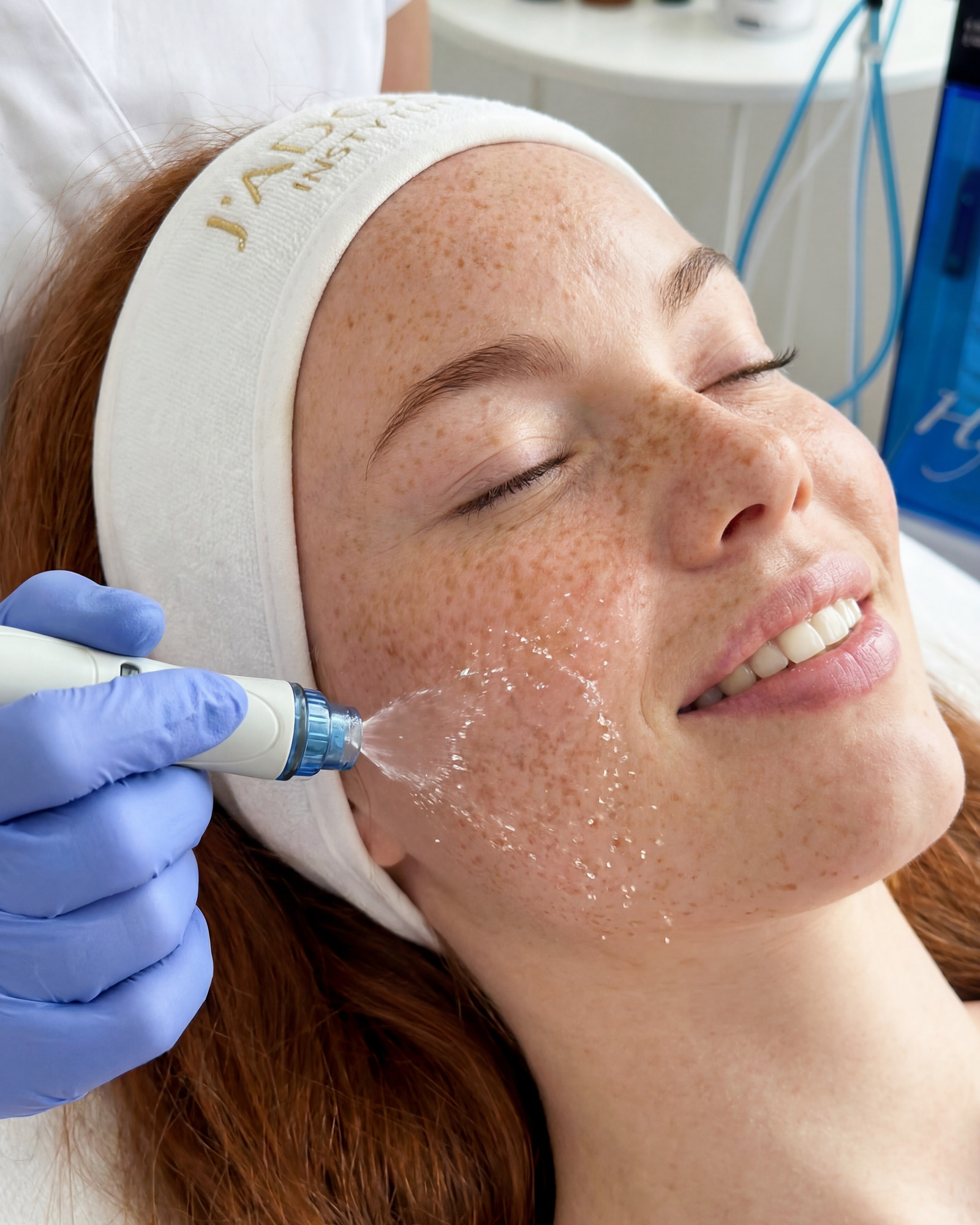
Myth 4: “Mesotherapy is a safe last-minute option.” Needle and needle-free mesotherapy differ in how invasive they are. Their effects immediately after the treatment also differ. Needle-free mesotherapy is gentle, but the hydration and radiance effect usually appears after a few days and is subtle. Needle mesotherapy works more deeply and may cause temporary redness or pinpoint marks from the injections, which fade but need several days. In both cases, do not plan your first mesotherapy appointment two weeks before a photoshoot.
Myth 5: “A mask and moisturising at home are enough — there is no need for a salon.” High-street masks and serums have their place in a routine. They hydrate, smooth and instantly improve the skin’s appearance. However, their action stops at the surface or shallow layers of the skin. Salon treatments work more deeply. They improve density, tone and elasticity in ways home skincare cannot replace. The difference between a face prepared in the salon and maintained with a good routine, and one cared for exclusively with high-street products, is more visible in photographs than you might expect.
Myth 6: “Botox or hyaluronic acid just before the wedding — perfect for the last minute.” Both are medical treatments, performed by a doctor, and they need real time to work. Botox starts to work after a few days. Full results may take up to two weeks. Hyaluronic acid administered too close to the date may cause slight swelling and bruising. These will pass, but need several days. The rule for medical treatments: at least four weeks, ideally six — so the result is full and stable, and you know how you look before you step in front of the camera.
What can be done safely — and when
- 01
3–6 months before
Time for treatments that build results — laser courses, biostimulators, needle mesotherapy, and treatments that improve skin tone and texture. Skin needs a course of treatments for results to be lasting and visible.
- 02
6–8 weeks before
Your final more intensive treatment, such as a laser, deeper peel or filler. Time for full recovery and assessment of the result. A possible touch-up, if needed.
- 03
2–3 weeks before
Manual cleansing, a gentle enzyme peel or mild needle-free mesotherapy — treatments with a short recovery time that leave skin calm.
- 04
1 week before
Only gentle treatments your skin already knows: a hydrating oxygen infusion, collagen mask or relaxation ritual. No experiments with new products or treatments.
- 05
The day before
No salon treatments. Gentle home skincare — familiar serum, hydration and calm. Evening make-up only if you are sure your skin knows it.
The difference between pre-wedding skincare and “glow for a corporate photoshoot” — are they the same?
Wedding / celebration
A very long day, sweat, emotions, fatigue and camera flash
- Skin needs to maintain the result for 8–12 hours
- Layered make-up — foundation, concealer and setting products
- Camera flash + natural light = skin needs to cope with both
- Emotions and warmth can intensify any post-treatment redness
Corporate photoshoot / professional image
Controlled lighting, digital retouching after the photoshoot, shorter duration
- Shorter duration — a few hours, not the whole day
- Lighter make-up, often more natural
- Digital retouching is standard — minor imperfections disappear
- Less pressure for all-day wear
The answer to the question in this section title is: the principles are similar, but the level of risk differs. Before a professional photoshoot, you can allow for a slightly shorter safety window — because digital retouching is standard, while stress and the intensity of the day are lower. Before a wedding or wedding reception, the safety margin should be greater. The day is long and unpredictable, and photographs are taken for many hours in different lighting conditions.
Women and men — the same plan, different priorities
More and more grooms and men preparing for important photoshoots ask the same questions as women — and rightly so. Men’s skin has its own characteristics: it is thicker, more prone to oiliness and often exposed to regular shaving. Treatments that work well for men’s skin are the same as those that work for women’s skin — but selected with these differences in mind. Deeper cleansing for pores, hydration for frequent post-shaving irritation, and even skin tone if the skin is uneven.
One issue is particularly common among men: the question “will it show?” — whether any trace remains after treatment that would be difficult to explain. The good news is that gentle skincare treatments, such as hydration, cleansing and soothing rituals, leave no marks visible to others. More intensive treatments — laser treatment and chemical peels — may leave temporary redness. This is why the same rule of allowing several weeks applies.
How to build a plan — regardless of the date
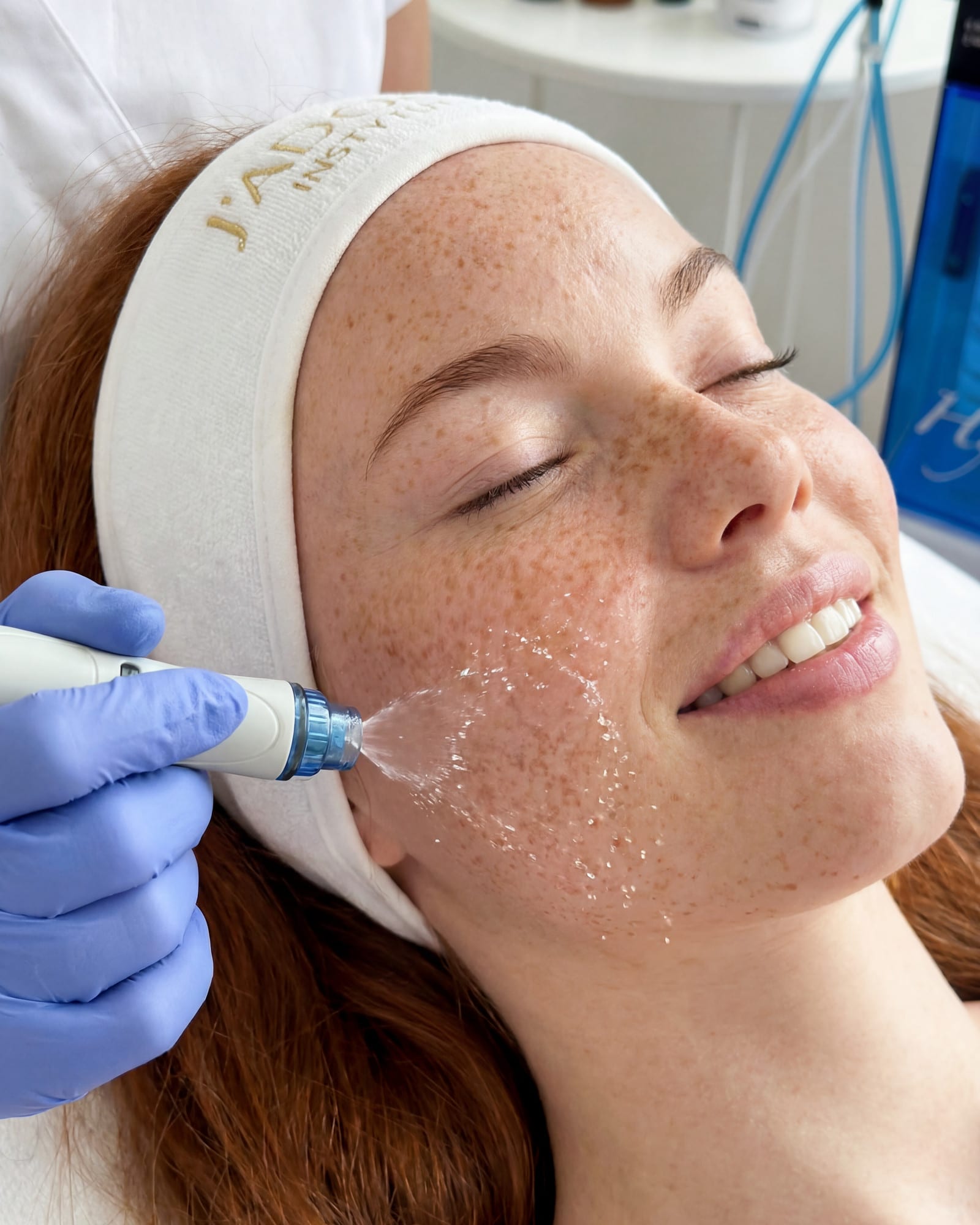
The most important thing: start with a consultation, not by booking a treatment. Before deciding what to book, speak to a cosmetologist about your skin, the realistic time available for preparation and your priorities. Not every skin needs lasers. Not every skin needs a course of treatments. Some people who attend regular salon treatments only need one or two finishing appointments — because their skin is already in good condition.
If there are fewer than six weeks until your important day, do not panic — but adjust your expectations realistically. Gentle treatments can genuinely improve skin condition in a short time. What you cannot change in a few weeks includes deep acne scars, permanent discolouration or pronounced vascular changes. These require time and a course of treatments — not a one-off ‘intensive treatment’ just before the camera.
Instead of a summary: one question for yourself
When Brides and Grooms ask us, ‘what should I do to look my best?’, we start with a question: when did you last see a cosmetologist? If you go regularly, the plan is simple: a few appointments at the right intervals, a final treatment two weeks before, and peace of mind. If not, we start with a consultation, skin assessment and a realistic schedule. In both cases, results are best when they are planned. Not when they are sudden.