Why cellulite looks WORSE after your first treatments — and what to do about it
Cellulite isn't fat — it's tissue architecture. And it has its own timeline.
6 min read6:09 of audiowritten for women
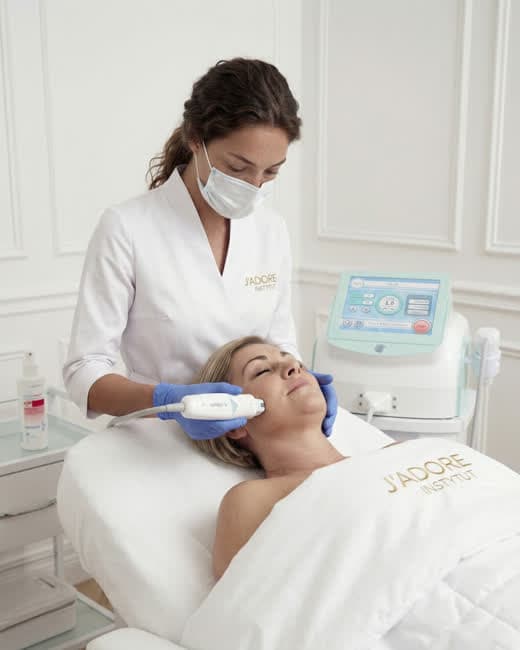
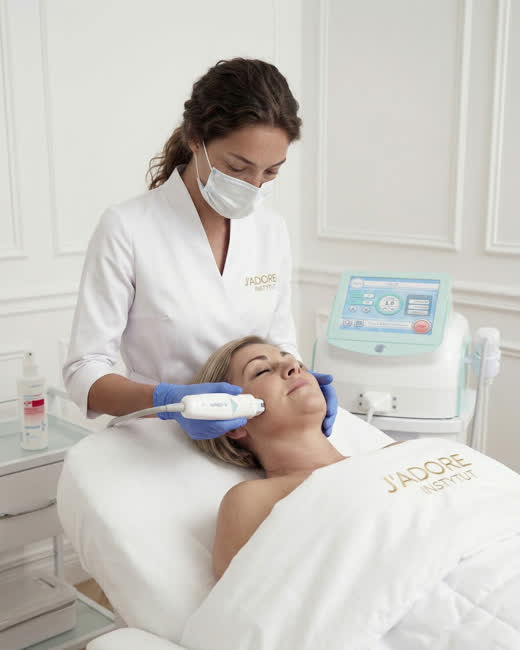
Illustrative photo. It shows an example of how the treatment is performed.
You are listening0:00 of 6:09
Listen to the article
read by Kore · 6:09
0:006:09
6 min readread by Kore10 March 2026
Millions of women experience exactly the same thing: they start taking action, and cellulite looks worse. This is a normal inflammatory phase — not a sign something's wrong. We'll explain what's happening beneath your skin, and why patience is essential.
01
"I started exercising, I started treatments, and my cellulite is WORSE. WTF?"
Type it into Google. Type it into TikTok. Type it into a forum. You'll get millions of results — because millions of women experience exactly the same thing. You start taking action. You invest money and time. Your muscles ache from deadlifts. And your cellulite in the mirror looks like it couldn't care less. Then the thought creeps in: "Maybe this isn't working. Maybe nothing works. Maybe I just got unlucky with genetics."
Don't worry. This isn't bad luck. It's physiology. We'll explain exactly what's happening beneath your skin.
02
Cellulite isn't fat. Stop treating it that way.
Let's start with the basics, because most people have never heard this stated plainly: cellulite is a structural problem, not a fat problem.
Your skin has three layers: the epidermis, the dermis and the subcutaneous tissue. Fat cells sit in that last layer — but that's not the problem. The problem is fibrous septa — vertical bands of connective tissue that link the skin to the deeper layers. In women, these septa run vertically. Like the stitching in a mattress.
What happens? Fat cells push upward. Septa pull the skin downward. The result: dimple, bulge, dimple, bulge. Cellulite.
You can have a BMI of 19 and stage 3 cellulite. Because cellulite isn't fat — it's tissue architecture.
You can lose 15 kg and still have cellulite. Because fibrous septa don't disappear with a calorie deficit.
You can be a fitness trainer and have cellulite. Because 80–90% of women have it. It's an anatomical norm, not a flaw.
03
Why it looks WORSE at first: three mechanisms
04
The real timeline — print it and stick it on your fridge
You'd probably like to hear: "After 3 sessions you'll look like an Instagram photo." We won't tell you that. We'll tell you the truth:
Weeks 1–3: Inflammatory swelling, tissue reorganisation — may look WORSE
Weeks 4–8: Swelling subsides, new collagen forms — evening out, back to your "before" state
Months 4–6: Full connective tissue remodelling — full results, new skin texture
05
What ACTUALLY works — an honest ranking
MID TIER — Lymphatic drainage: reduces swelling, supports the main treatments. On its own, it won't get rid of cellulite.
MID TIER — Strength training: builds muscle beneath the tissue, improves overall texture. It won't break down septa, but it improves body shape.
MID TIER — Hydration and an anti-inflammatory diet: less swelling, better connective tissue condition. A support measure, not a solution.
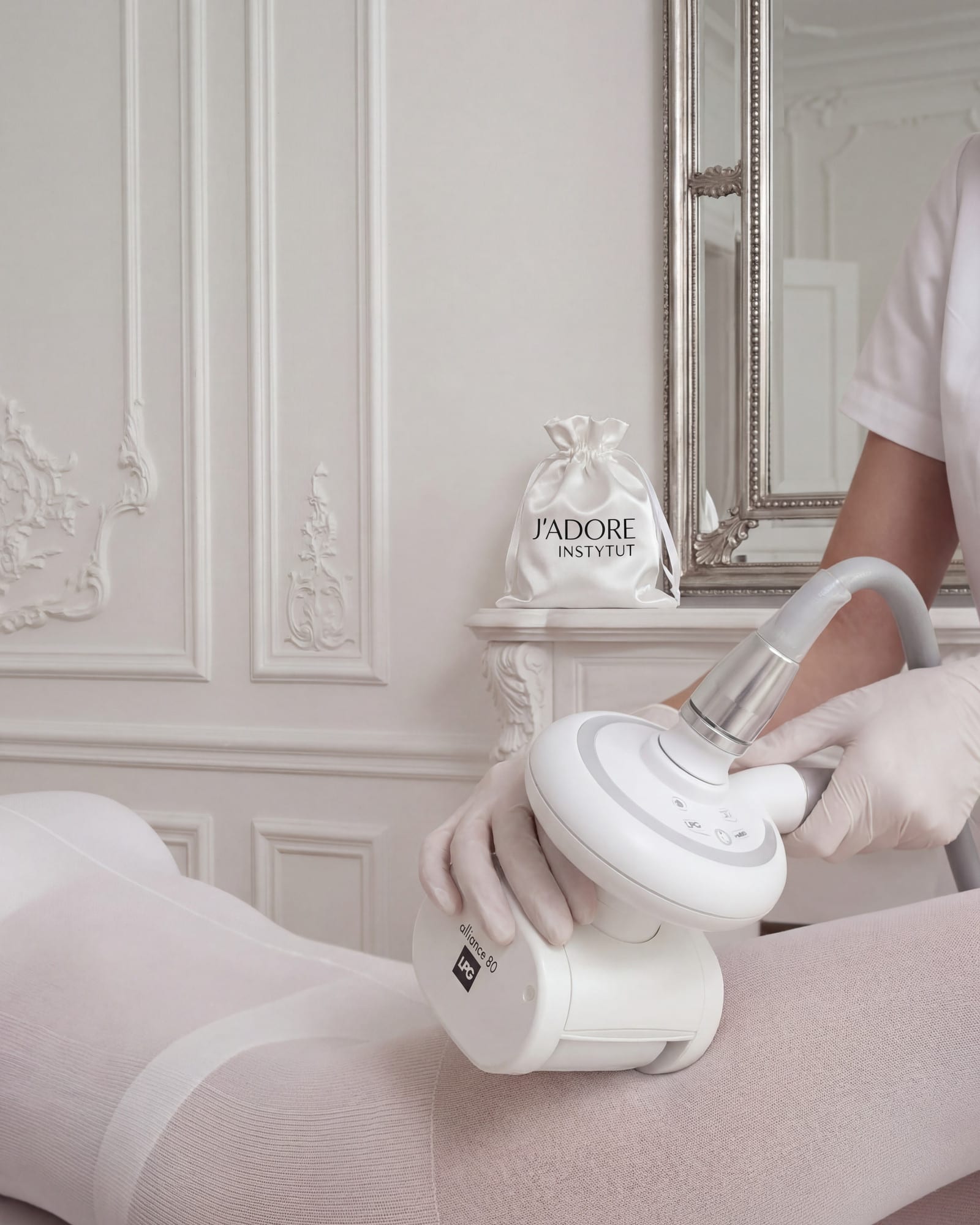
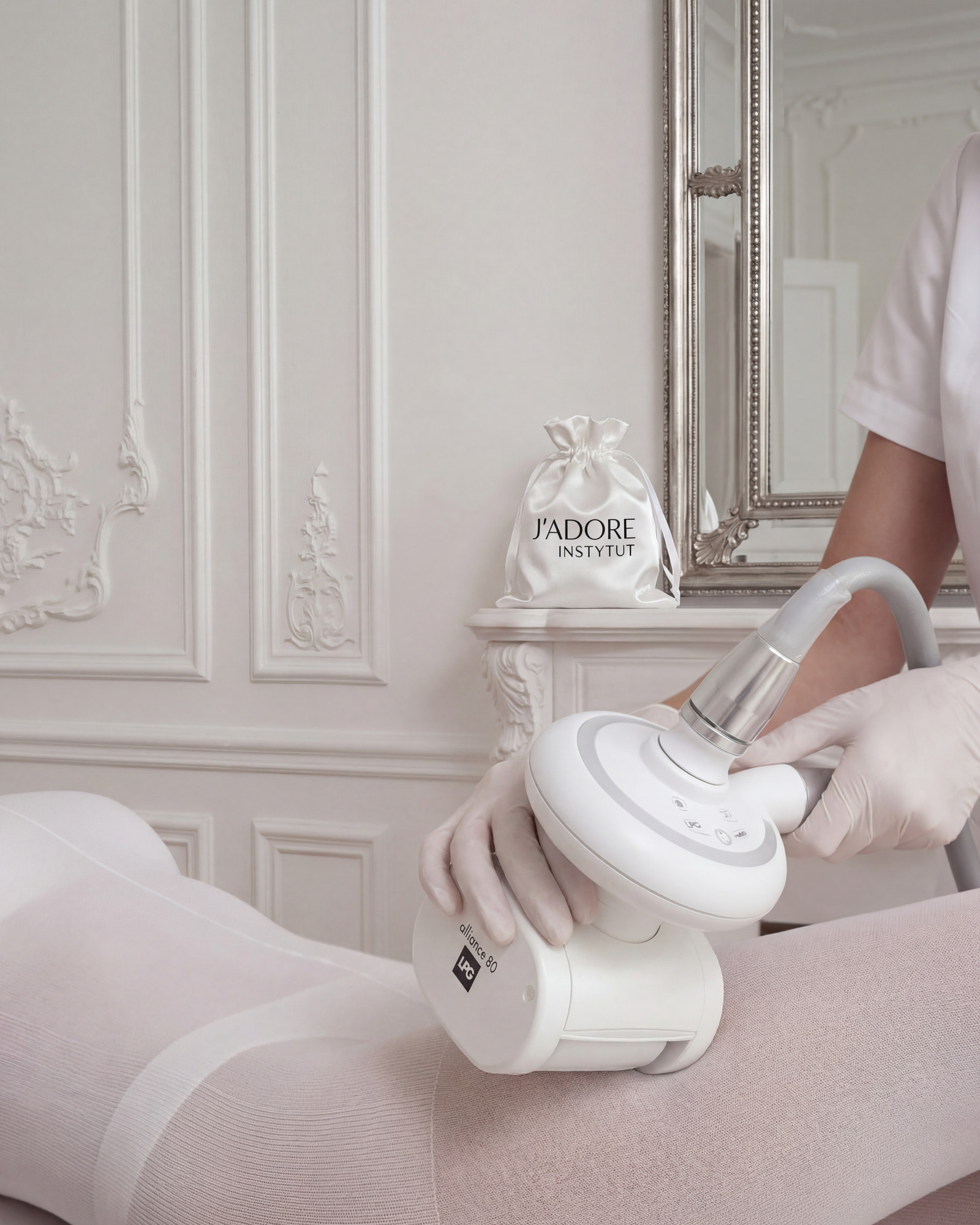
Illustrative photo. It shows an example of how the treatment is performed.
06
5 things you can do NOW (at home, for free)
Stop panicking after 3 weeks. The process takes 3–6 months. Print the timeline. Breathe.
Drink water. 2–2.5 litres a day. Dehydrated connective tissue means stiffer septa, which means deeper dimples.
Eat collagen (or bone broth). Studies suggest that collagen supplementation over several months may improve skin elasticity. Not a miracle, but genuine support.
Strength train 3x a week. Not "for cellulite" — for muscle. A better muscle base beneath the skin means a better foundation.
Finish with a cold shower (30 seconds). It improves microcirculation. It won't get rid of cellulite, but it supports drainage and reduces swelling.
07
Already mid-way through a course of treatments?
Don't stop after 3 sessions. This is the most common mistake. Results are cumulative — abandoning a series halfway through is like stopping an antibiotic course after 3 days.
Take photos every 4 weeks, not every week. Checking the mirror daily is psychological sabotage. Changes are subtle day to day, but dramatic month to month.
Don't compare yourself to Instagram. Those "before/after, 1 treatment" photos are either lighting, swelling that's gone down, or Photoshop. Real results take time.