Why DermaQuest is counterfeited so often
DermaQuest is a brand that has gained recognition in dermatology and cosmetology clinics worldwide — above all because its formulations are based on vitamin C in a stable form, acids and peptides at real therapeutic concentrations. These concentrations are also the reason the brand reaches clients through clinics: products with high activity require expert selection. The same makes them an attractive target for counterfeiters. A brand with recognisable packaging, a high price and a loyal client base is the ideal space to copy.
Seven myths — one by one
MYTH 1: "It looks the same, so the formula must be the same." Fact: Packaging can be copied within a few weeks. A formula that protects the stability of active ingredients cannot. Genuine DermaQuest undergoes strict manufacturing protocols in certified US laboratories, and every batch passes microbiological and physicochemical testing. A counterfeiter copies the label, not the laboratory. What's inside may have a completely different composition — missing active ingredients, different concentrations, different preservatives, or none at all.
MYTH 2: "I buy from a trusted source — a Polish online shop." Fact: The country a parcel comes from says nothing about the product's origin. Counterfeits may be offered by domestic online shops that buy them in bulk from unreliable sources — often from Asia or the European "grey market". Authenticity is confirmed by an invoice from a Polish distributor and a matching batch number — not by a shop with a beautiful website and good reviews on Allegro.
MYTH 3: "The price is lower because the clinic gets better wholesale prices." Fact: Clinics buy DermaQuest from the distributor at wholesale prices — and that margin is built into the brand's pricing structure. If a product is offered to the consumer at a price lower than the suggested clinic price, it is not because the seller is generous. It is the most common signal that the supply chain is not the one the seller claims it to be. The DermaQuest brand actively monitors online prices and supports distributors in reporting suspicious offers.
MYTH 4: "If I have no reaction, the product must be good." Fact: No immediate allergic reaction is not a certificate of quality. A product might be missing all its active ingredients — in which case it simply doesn't work, and the skin "feels nothing". But it could also contain substances whose negative effects build up over time, or surface only when skin conditions change, with sun exposure, or in combination with other products. No reaction in the first week doesn't mean the product is what it claims to be.
MYTH 5: "If a clinic sells it, it must be genuine". Fact: The clinic's sign alone does not determine the origin of the product. It happens that salons buy products from the grey market — cheaper, but with no guarantee. Before you buy, ask directly where the product comes from and request the batch number. A responsible clinic will show an invoice from a Polish distributor and has nothing against you checking it.
MYTH 6: "The professional line is the same formula as the products sold in cosmetics shops." Fact: DermaQuest's professional line — available only through salons — differs from any consumer products in more than just packaging. Concentrations of acids, peptides and antioxidants are calibrated for in-salon use, or as a continuation of a home programme recommended by a cosmetologist. It's not the same as a product on a supermarket shelf, even if the name sounds similar.
MYTH 7: "At worst, the product just won't work." Fact: This is the most dangerous myth of all. With counterfeits, "at worst" can mean a product that isn't sterile — carrying bacteria, fungi or contaminants that can cause infection, particularly on sensitive skin, after a peel, or on skin with active acne. There have been recorded cases of counterfeit professional cosmetics containing substances not disclosed on the label, including irritants. Skin is an organ — not a testing ground for products from an unknown source.
Red flag — signs you shouldn't ignore
What the original looks like — a checklist
Genuine DermaQuest products share several features that are hard to fake perfectly all at once. The outer packaging is made of thicker cardboard, and the text — including the INCI list — is printed cleanly, with no ink bleed, and with a consistent layout across every line. The caps and dispensers on originals have a solid, confident feel; plastic that feels cheap to the touch is one of the first warning signs. The batch (lot) number on the base of the packaging and on the box should be identical — and verifiable with the distributor. Finally, there's scent and texture: if you've ever used the product at a salon, you'll remember them. The difference can be subtle, but with products like C Infusion Serum or Stem Cell 3D Complex, it's often noticeable straight away.
An additional, very practical tool is the invoice. A clinic that buys from a Polish distributor has a document for every batch and is responsible for the quality of the products it applies and sells. This is the simplest route to certainty: buy where the product's journey can be traced, and if you have questions, you have someone who will answer them with the documents in hand.
How to buy DermaQuest safely
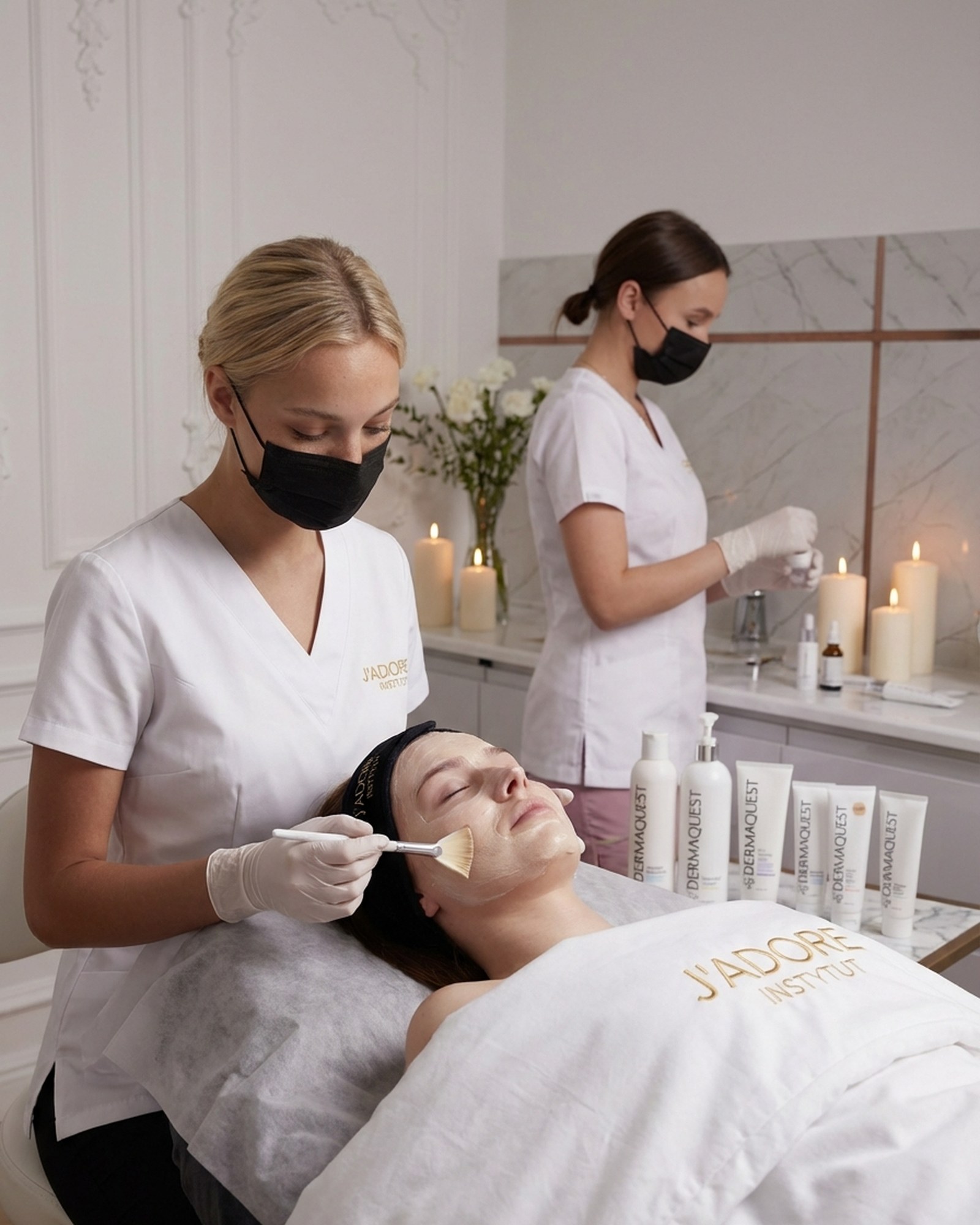
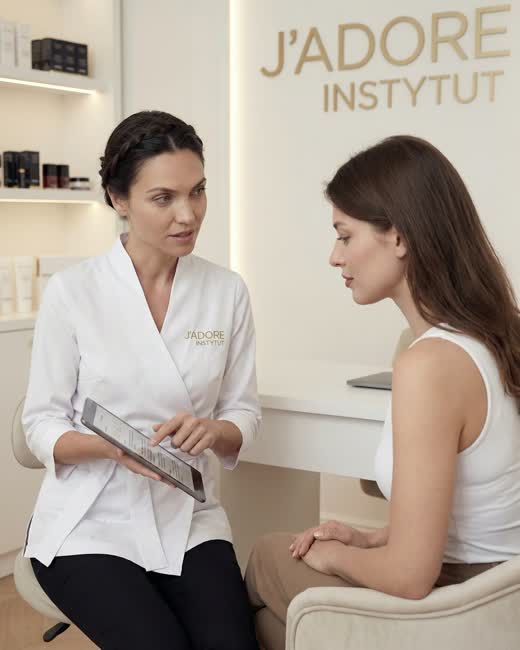
The simplest answer is: at a cosmetology clinic that buys from a Polish distributor, with an invoice, or directly from a Polish distributor. It sounds banal, but it removes most of the risk in one step. At such a clinic you receive a product with a full history, properly stored, matched to your skin type — and you can ask about the batch number without any embarrassment. This is not loyalty to a brand for the sake of loyalty — it is elementary respect for the skin you are investing in.
If you're set on a particular line, ask at the salon before buying anywhere else. Often the cosmetologist can order the product ahead of your next visit, or point you towards a reliable source. It's also a good moment to discuss whether that line is actually right for your skin — because DermaQuest is a brand that requires proper matching, not just "buying and applying". Results depend on the right selection and application sequence, which is why a consultation with a certified cosmetologist isn't a formality — it's a real part of how the treatment works.