What actually happens to skin after shaving
A razor or blade doesn't just remove hair — it also shaves off the stratum corneum, the epidermis's first line of defence against the environment. In men who shave regularly, this barrier never gets time to fully recover. The result is chronic, low-grade inflammation: skin stays mildly irritated, reacting to sweat, water, alcohol in aftershaves, even changes in temperature.
Then there's the problem of ingrown hairs: with fine hair follicles, or shaving against the grain, a regrowing hair curls back instead of breaking through the skin. It grows underneath instead — forming an inflamed bump often mistaken for a spot. With darker skin tones and coarser hair, this problem can be visible all the time.
What is Proxi-N, and how does it work on post-shave skin?
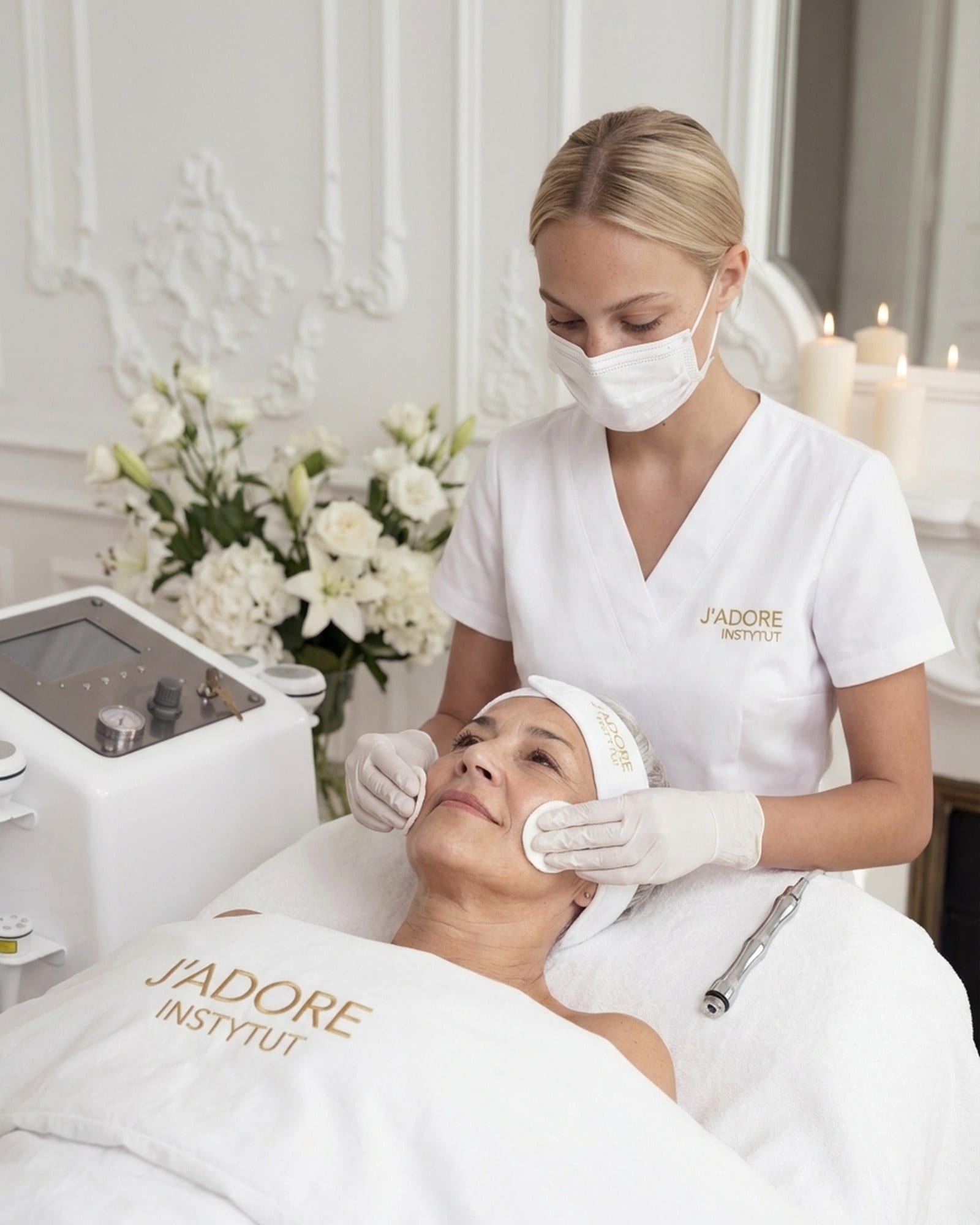
Proxi-N belongs to a group of advanced needle-free mesotherapy treatments — active substances are delivered deep into the skin without injections, using a precisely controlled electrical current. For post-shave skin, this does three things at once:
- Intensive hydration — moisturising substances reach the exact spot where the barrier is damaged, not just its surface.
- Reduced inflammation — active ingredients work at the level where the inflammatory response happens; for many men, this noticeably reduces redness and itching.
- Barrier repair — skin regains its own regenerative capacity, so it tolerates future shaves better.
The effect isn't cosmetic in the sense of masking the problem. Proxi-N addresses the cause: instead of covering irritation with balm, it makes the tissue less reactive. It's the difference between putting out a fire and reinforcing the walls.
Proxi-N versus everyday shaving products — an honest comparison
The aftershave market is enormous, and every brand promises "relief and hydration". But the difference between a balm and Proxi-N is fundamental:
Aftershave balm / cream
surface-level care
- works on the surface of the skin
- hydrates and soothes while it remains on the skin
- easy access, low entry cost
- may contain irritating alcohols
Proxi-N
deep regeneration treatment
- active substances penetrate living tissue
- reduces inflammation at cellular level
- results last beyond the end of the series
- no alcohol, no risk of contact reaction
What a Proxi-N series looks like in practice
The first question men usually ask isn't "does it hurt" — it's "can I leave the salon looking normal". The answer is simple: yes. Proxi-N leaves no visible marks. Skin may be slightly red for a short while after the treatment, but this is a typical, temporary reaction to stimulation — fading within the hour.
- 01
Consultation
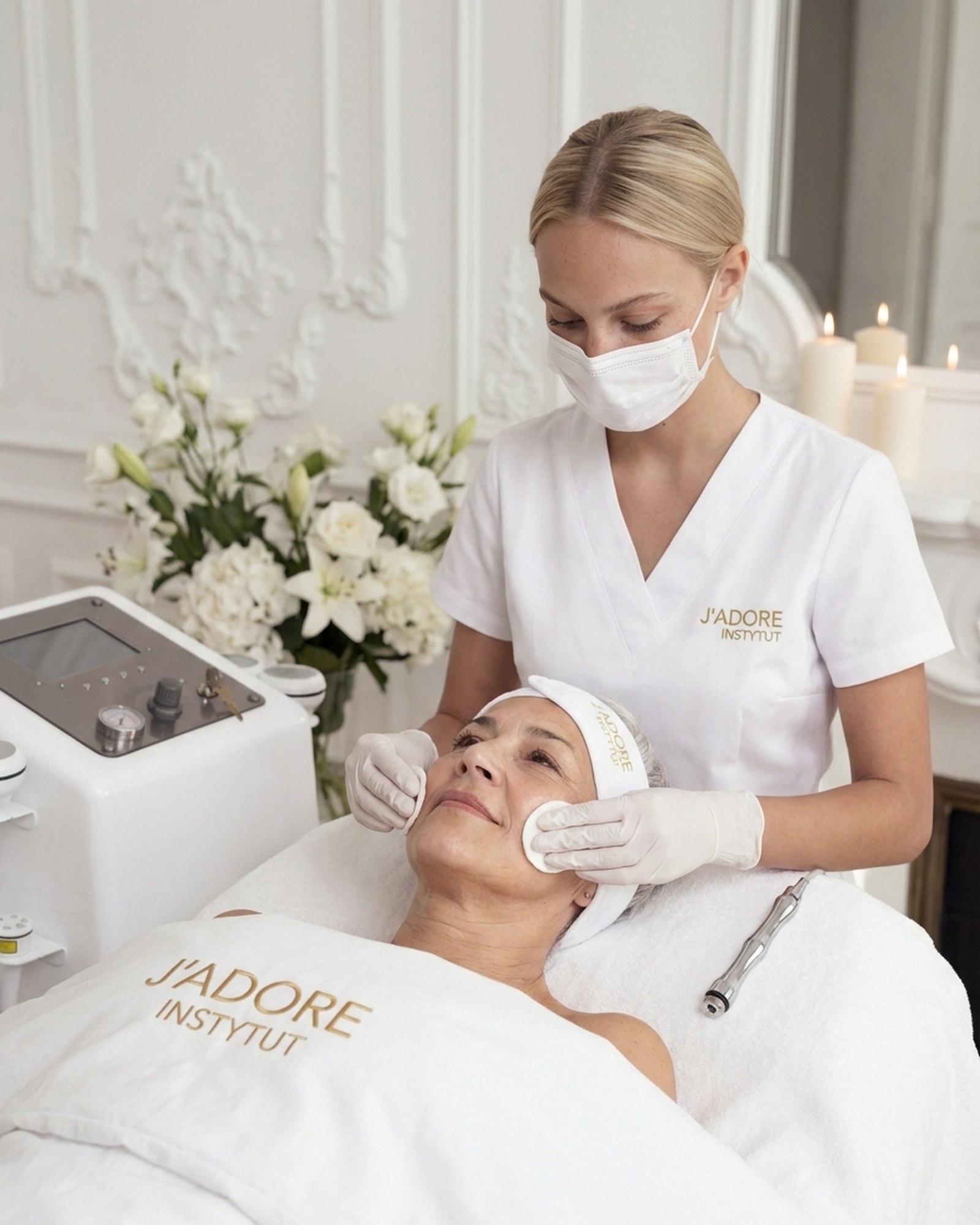
The cosmetologist assesses your skin type, the severity of irritation, and your shaving habits. Together, you set the goal and scope of the series.
- 02
Cleansing
Skin is prepared for the treatment with gentle cleansing — no harsh active ingredients.
- 03
Proxi-N
Needle-free delivery of active ingredients. You'll feel light pulses — usually no discomfort.
- 04
Finish
SPF or barrier cream is applied. Zero downtime — you leave and carry on with your day.
A series usually involves several sessions at regular intervals — your cosmetologist sets the frequency individually, based on the severity of the problem and how your skin responds. Results build up: the first sessions bring relief, and later ones strengthen the barrier, reducing skin's reactivity to future shaves. After the series, many people choose occasional maintenance sessions.
What to combine Proxi-N with
Proxi-N works well on its own, but for men with more complex skin issues, it's often combined with other treatments — each working at a different level:
Chemical peel
When clogged pores and dead skin cells compound the problem: the acid loosens the "plug", and Proxi-N nourishes and repairs what's left after peeling.
Hydrogen cleansing / HydraFacial
For very oily skin or folliculitis — mechanical cleansing first, then Proxi-N for regeneration.
Needle mesotherapy
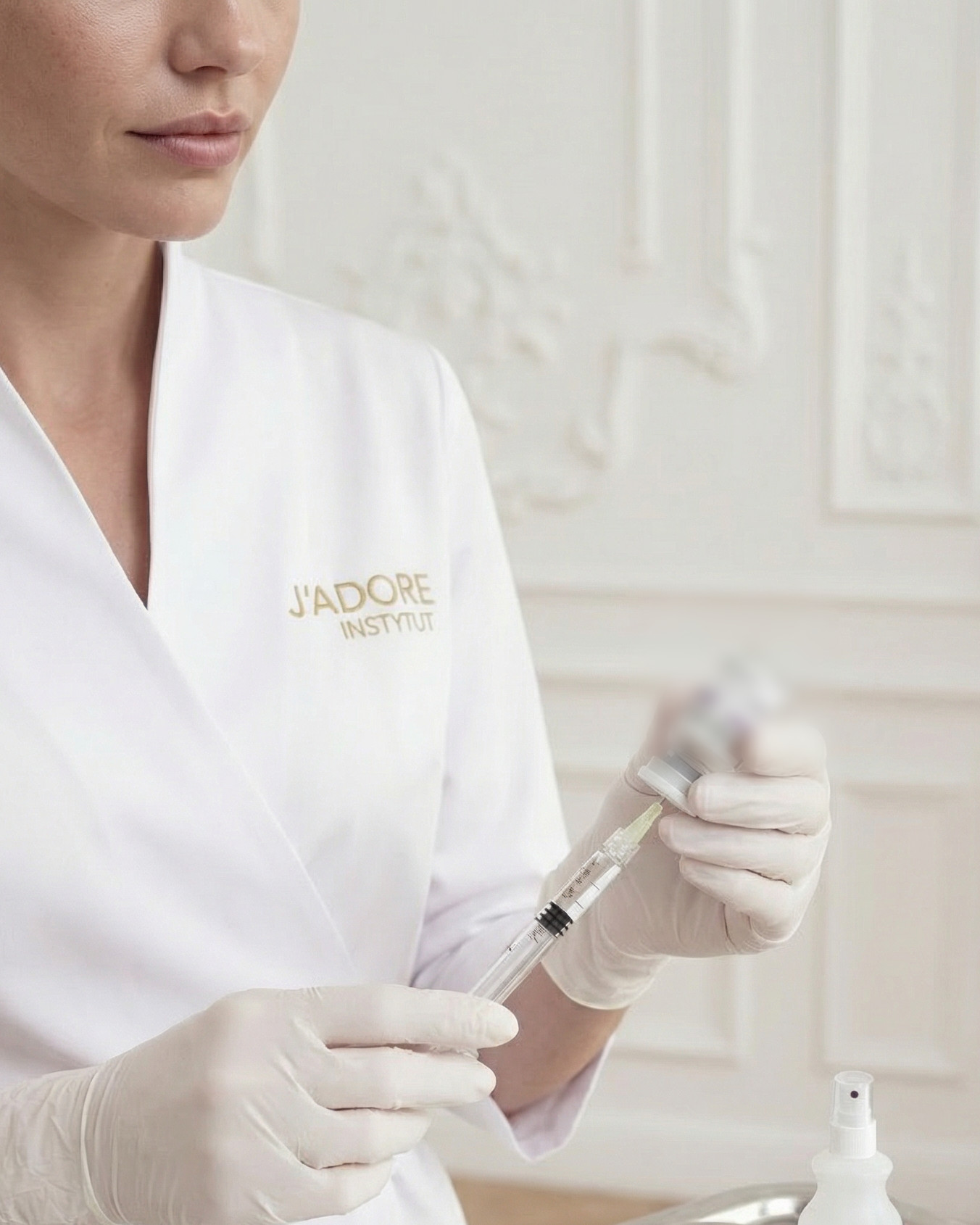
When you want to go deeper: injections reach layers Proxi-N can't. The two methods complement each other without conflict.
When Proxi-N isn't enough — the treatment's limits
Proxi-N is effective for chronic irritation, reactivity and superficial ingrown hairs. There are, however, situations where a dermatology consultation is needed first:
- Infected ingrown hairs (pus-filled bumps, extensive inflammation) — these need antibiotic treatment or dermatological care before any beauty treatment.
- Rosacea — the treatment can help with mild cases, but for advanced vascular or papulopustular forms, the decision rests with a dermatologist.
- Facial psoriasis — Proxi-N isn't the first choice here.
- Active bacterial or fungal infections — treat the underlying cause first.