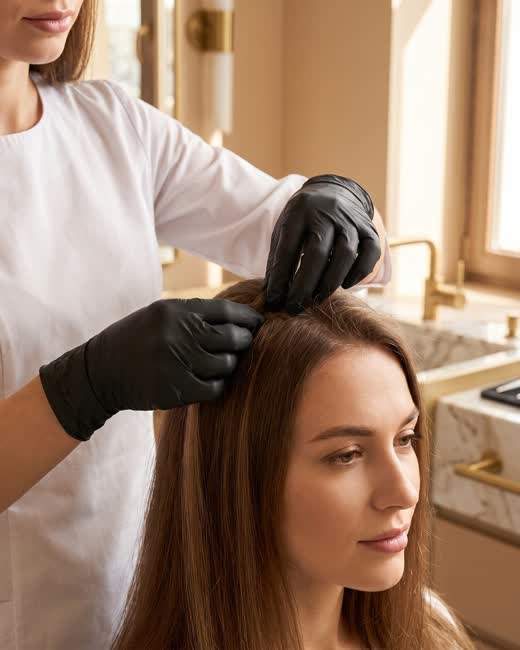
Why the first 72 hours are different from the rest
Before we get to the list of don'ts — a few words on "why", because without this the rules sound like whims. The keratin used in the treatment literally fills damaged areas in the hair structure and smooths its cuticles. Keratin formulas need time for these bonds to stabilise. During this window, your hair is more vulnerable to mechanical and chemical deformation than under normal conditions — that's not a metaphor, it's material physics.
The consequence is simple: things that would normally do your hair no harm at all can leave a permanent mark during the curing period. Tie your hair in a ponytail for an hour, and you could have a crease in that spot for weeks. Step out in the rain without an umbrella, and waves return exactly where they should be smooth. Not because the treatment was weak, but because you didn't give it time to set.
What to absolutely avoid — the priority list
Let's start with the "don'ts" — these raise the most questions and doubts. The rules below aren't the invention of an overly cautious specialist: each one has a specific reason behind it.
What to do — an active list for 72 hours
For the first three days, you have not only a list of don'ts but also a recommended routine. Instead of picturing these 72h as a period of hard sacrifice, treat them as active aftercare that builds your result.
- 01
Hours 0–24 (treatment day)
Go home and avoid touching your hair more than necessary. Don't clip it up. Don't lean out of a window in the rain. Before you fall asleep, blow-dry your hair with a straightener (ideally an ionic one, borrowed or your own), using gentle, straight movements. Your hair goes to sleep dry and loose.
- 02
Day 2 (24–48h)
Avoid showers with hot steam — if you must shower, tie your hair up high, literally as close to the top of your head as possible, with minimal contact with your body during the shower. Don't wash your hair. If it gets damp (for example, from rain), blow-dry it with a straightener as soon as you get home.
- 03
Day 3 (48–72h)
Almost at the finish line. Curing is well advanced, but it's worth staying careful on this last day too. Avoid intense exercise involving sweating, swimming pools and the sea. Before bed — dry hair again, loose, no clips.
- 04
After 72h — the first wash
Use only a shampoo free from SLS (sodium lauryl sulfate) and silicones — check the ingredients list, not the name. "Keratin" shampoos from drugstores are sometimes marketing rather than a guarantee of good formulation. Ask your salon for a recommendation or check the ingredients yourself: SLS on the list means you'll wash out the keratin faster.
What's normal and what's a warning sign
After the treatment, you might notice various sensations — and not all of them are cause for concern. It's worth knowing what falls within the normal range and what warrants contacting a specialist.
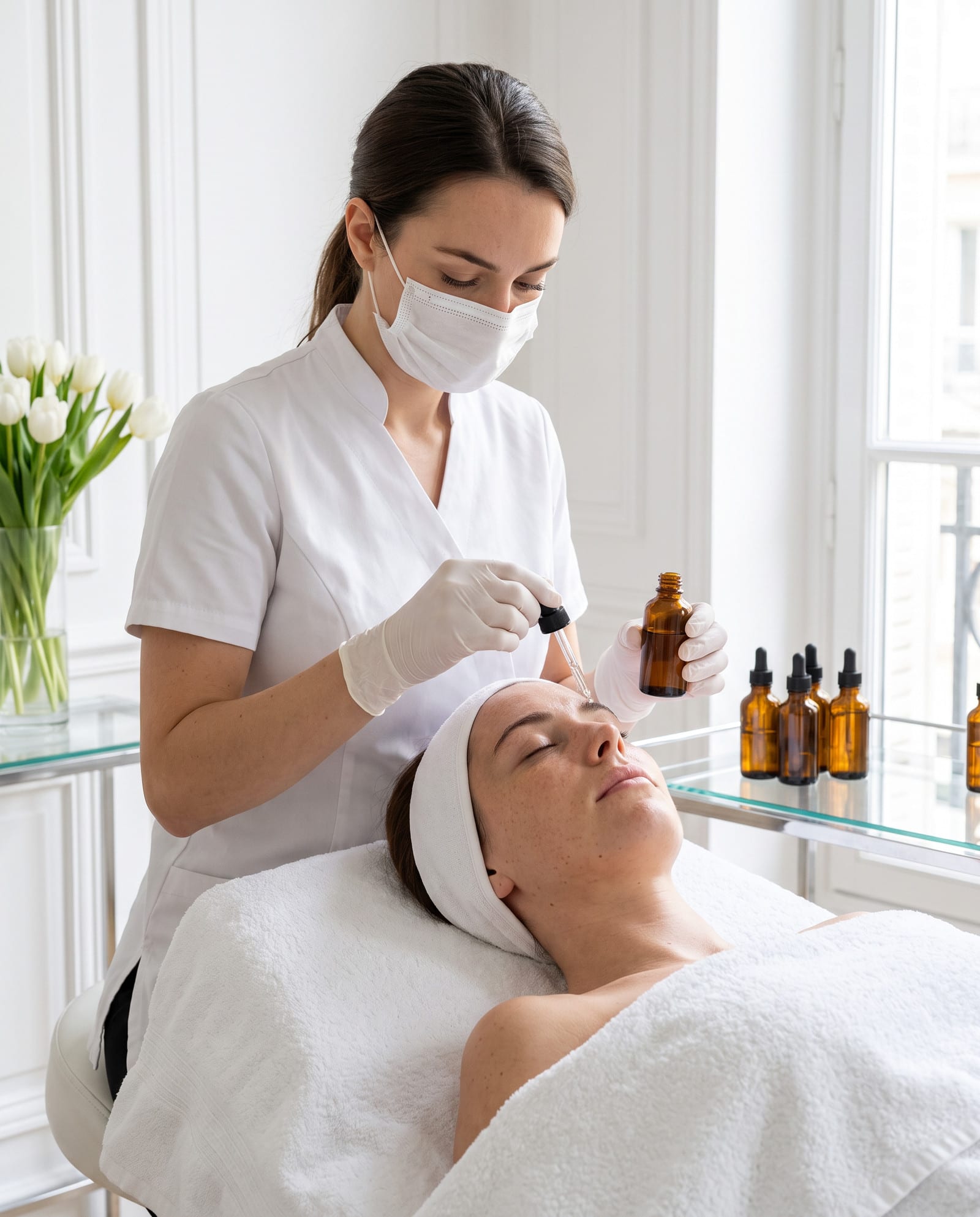
Aftercare beyond 72 hours — the rules for the following weeks
The first 72h have passed — you can wash your hair, tie it up, exercise. But the rules don't end there. The keratin in your hair structure is now set, but your shampoo can wash it out faster or slower depending on what you use. This is where the difference lies between results lasting 4 weeks and results lasting 3–4 months.
- Shampoo free from SLS and sulfates — check the ingredients, not the brand. Sodium Lauryl Sulfate (SLS) and Sodium Laureth Sulfate (SLES) are detergents that clean well but wash keratin out along with the dirt. Alternatives: "sulfate-free" shampoos, natural formulas, or those designed for coloured hair.
- Conditioner and masks free from silicone — silicone-based products coat the hair and weigh it down over time, and with keratin they can interfere with natural upkeep. Read the ingredients: anything ending in -siloxane or -cone is a signal to watch for.
- Wash your hair less often, if possible — every wash gradually removes keratin. Dry shampoo can be an ally here.
- Avoid chlorine and salt water — swimming pools and the sea are the fastest way to shorten your results. If you swim, wear a swimming cap and wash your hair right after you get out.
- Straighten and blow-dry as usual — keratin doesn't stop you using a straightener or hairdryer. Quite the opposite: high heat on hair properly protected by keratin causes less damage than on unprotected hair.
It's worth asking a specialist at the salon about a specific shampoo recommended for your type of keratin treatment and hair — keratin formulas vary in composition, and each may come with slightly different aftercare recommendations. Not all "keratin shampoos" from drugstores are created equal.
When to return to the salon
Keratin treatment is repeated, not a one-off. The decision on your next visit depends on your hair, the formula used and how you look after your results between treatments. For most people, the natural rhythm is a few weeks to a few months. It's worth booking a consultation when:
- Your results have clearly faded and the time recommended by your specialist has passed since the treatment.
- Your hair has returned to its previous structure, but it feels "more difficult" to manage than it was before the keratin treatment.
- You want to switch to a different formula (stronger, gentler, formaldehyde-free) — it's worth discussing this choice with an experienced specialist.
- You're planning to colour your hair or have other chemical treatments — the order and spacing between treatments matter.
Complementary aftercare treatments — hydrating, strengthening treatments between keratin sessions — can extend your results and improve hair condition between sessions. This is a good moment to ask a specialist for an individual plan for your hair, rather than picking treatments at random.