

 A treatment room at J'adore
MEDICAL PEELS
Skin that loses its radiance and turns grey and "tired", uneven skin tone, fine hyperpigmentation left over from summer, plus a feeling of dryness and roughness — these are the most common reasons people reach for a brightening peel. Mango Peel (DermaQuest) is a gentle enzyme-acid peel based on mango fruit: enzymes and acids gently loosen the bonds between dead epidermal cells, and skin looks more rested and lit from within right away. It belongs to the "friendly" category of peels — no burning sensation, no need to hide at home for days.
Even people who have previously reacted badly to acids tend to tolerate it well. At J'adore Instytut, the treatment is performed by an experienced cosmetologist. Below you'll find everything worth knowing before you book your first visit: whether it actually works, whether it stings, whether you'll flake and for how many days, when you'll see results, and why SPF is absolutely essential here.
series of 4–6 sessions every 1–2 weeks
How it works
Mango Peel combines mango fruit enzymes with mild acids — it sits between an enzymatic and an acid peel. The enzymes "unclip" the bonds between dead epidermal cells, while the acids support exfoliation and encourage skin renewal. As a result, the layer of tired, dry cells lifts away gently, revealing smoother skin underneath that reflects light better.
This is a superficial, gentle peel — it works on the epidermis, not deep into the skin. Mango is rich in antioxidants and has a nourishing effect, so the treatment doesn't just exfoliate — it also hydrates and brightens. That's why it has a reputation as a peel "for everyone", including skin types that have previously reacted with irritation to stronger acids.
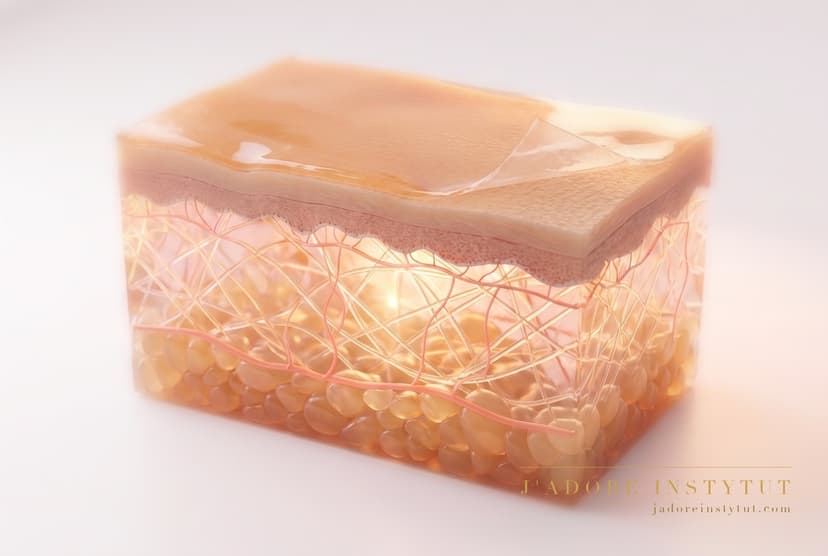
Fact: mango found its way into cosmetology for a reason — the fruit contains natural proteolytic enzymes and a full set of antioxidants, including vitamin C and beta-carotene. That's why a peel that exfoliates can still leave skin nourished and radiant rather than "stripped".
Ideal for
Mango Peel is a brightening, tone-evening treatment — it works best where skin has lost its radiance and feels dehydrated, and you'd rather avoid heavy exfoliation or downtime.
Mango Peel is not a treatment for deep scars, advanced melasma or pronounced wrinkles — that is not the same depth league. For melasma we reach for special courses (Cosmelan, Dermamelan), for scars and wrinkles for stronger peels or other treatments. Exactly what suits your skin is determined by the cosmetologist during a consultation.
Women's needs vs men's needs
The most common goal is brightening, evening skin tone and hydrating with zero downtime — the "rested, fresh skin" effect. This is the classic mango peel for women: popular as a quick glow reset before an event and as a gentle way into peels for sensitive skin.
What we work with
In men, skin is more often oily, has a thicker epidermis and can look grey after years without UV protection. On top of that come post-acne scars and pigmentation and shaving-related irritation. Mango peel for men is usually a first, safe step: it refreshes, brightens grey skin tone and smooths, with zero downtime and no "worked-on" look.
What we work with
Did you know: the same peel that for women is often a "glow before the wedding" treatment is, for men, most often the first conscious facial treatment of their lives — and it is usually precisely the gentleness of mango that brings them back for more.
Safety
With peels, the outcome and safety depend not on the "strength" of the product, but on how well it's matched to you. Three things worth asking about in any salon:
A peel without a prior skin analysis carries a risk of irritation and hyperpigmentation — especially with darker phototypes. With us, a skin assessment and consultation always precede the peel.
We use genuine DermaQuest products from professional supply channels. A non-genuine or poorly stored peel means unpredictable pH and effects.
A good peel means a sensible series and strict SPF 50+ after the treatment. "One strong peel with no plan" is a poor idea — results build systematically.
Red flags to watch for with peels ·
Contraindications
Some contraindications are permanent, others temporary — in the latter case, we simply postpone the treatment until the situation passes. We'll go through the full list and your medications at consultation.
From the cosmetologist's chair
The most underestimated issue is the sun. Mango is such a gentle peel that people tend to dismiss it — "nothing even flaked." But skin is more sensitive to UV after any peel regardless. One strong dose of sun without SPF, and instead of even skin tone, you get a patch of pigmentation. SPF 50+ isn't a suggestion — it's part of the treatment.
For recurrent herpes, it's worth discussing antiviral prophylaxis with your cosmetologist before the treatment — this lets us plan the peel more safely. It's a common and sensible practice with peels.

What to expect
The entire visit takes a few dozen minutes, with no anaesthesia and zero downtime. The process is calm and controlled — your cosmetologist watches the skin's reaction throughout.
Skin can look slightly pink and feel tight when you leave — this settles within a few hours. You return to everyday activities and work straight away.
Portfolio
A record of the work in our salons — the place where we publish treatment frames and, after photo sessions, results.
A record of results — in preparation. We publish photographs of our clients only with their consent.
What to expect
Most importantly: Mango Peel is gentle. Don't expect the dramatic, sheet-like peeling you'd get from strong retinol or TCA peels — here, the flaking is mild and brief, and for some people almost unnoticeable.
From the cosmetologist's chair
I sometimes hear: "I barely flaked, does that mean it didn't work?" This is a common misconception. Flaking is not a measure of effectiveness — with superficial peels like mango, skin renews itself even when you don't see visible flakes coming off. Judge the effect by radiance and skin tone, not by how much flaking you see.
The glow effect is visible almost immediately, but evening out skin tone and fine hyperpigmentation is a job for a series. A single session is a great quick reset; lasting improvement comes after 4–6 sessions every 1–2 weeks.
Mango peel and your lifestyle
Most questions aren't about the treatment itself, but about what comes after: sun, makeup, sauna, home acids, exercise. There's one rule — for a few days, skin is in renewal mode, so we spare it extra stimulation, and SPF is absolutely essential.
This is the most important point after any peel. Skin is sensitive to UV after exfoliation — skip the filter and you risk post-inflammatory hyperpigmentation, wasting the entire effect. Avoid intense sun for a few days, and apply SPF 50+ daily.
Fresh tanning and sunbeds are a contraindication. Let us know about any trips into full sun when planning your series — your cosmetologist will schedule sessions to avoid hyperpigmentation.
On the day of the treatment, skin needs rest. Makeup is usually fine from the next day — just be gentle with any mild, short-lived flaking, and don't apply makeup forcefully over flaking areas.
High temperatures, chlorine and sweat irritate skin during its renewal phase. Hold off on saunas, swimming pools and long hot baths for a few days.
Pause strong acids and retinol in your home routine while flaking is underway — layering actives is a quick route to irritation. Your cosmetologist will tell you when to resume.
Light activity is fine. On the day of the treatment, skip intense, heavily sweaty workouts — sweat on freshly peeled skin can sting and irritate.
Mango Peel
"Peel" isn't a single tool. They differ in depth and purpose — and don't substitute for one another. Here's where Mango Peel sits on that map:
brightens and evens skin tone
doesn't remove deep scars, advanced melasma or pronounced wrinkles
work deeper
more flaking and more restrictions — not a "weekend" peel
targets melasma
it is not a "glow" peel — it is a targeted treatment for hyperpigmentation
Combine with
Mango Peel fits neatly into broader skincare plans — as a gentle exfoliation that improves absorption of active ingredients and adds radiance. The order and intervals are decided by a cosmetologist during consultation, but the general logic stays the same:
The most common request: "I want a peel for hyperpigmentation." That's when I ask what kind. Fine spots and grey skin tone → mango or another gentle peel in a series. Melasma → that's a different matter entirely; mango isn't enough here, we turn to Cosmelan/Dermamelan. Matching the depth to the problem is half the battle.
DermaQuest peels
Mango Peel is one of the gentle therapeutic peels from DermaQuest — an American, professional skincare brand (since 1995). The same line includes several "friendly" peels with different active ingredients. You don't pick a product off the shelf — your cosmetologist selects it to match your issue, skin type and sensitivity.
An enzyme-acid peel with mango — brightens, evens skin tone, hydrates; gentle and well tolerated.
Dla kogoGrey, tired-looking skin, fine hyperpigmentation, dry skin, first peel.
A peel with a high dose of vitamin C — antioxidant support and radiance, helpful for uneven skin tone.
Dla kogoGrey, tired skin with hyperpigmentation; a "radiance boost" within a series.
A gentle mandelic peel with hibiscus flower — brightening, safe for sensitive skin and darker phototypes.
Dla kogoSensitive, reactive skin, darker phototypes, gentle evening of skin tone.
Enzymatic (acid-free) exfoliation with peptides — nourishes, brightens and smooths pores.
Dla kogoSensitive/delicate skin, "first peel", skin that needs recovery.
A peel with azelaic acid — anti-inflammatory, regulating, supportive for hyperpigmentation.
Dla kogoSkin prone to rosacea, broken capillaries and hyperpigmentation.
A gentle peptide peel with a "building" effect — anti-ageing without harsh exfoliation.
Dla kogoEarly wrinkles, loss of firmness, skin that needs recovery.
Fact: Where do the differences between peels come from? From the active ingredient (mango enzymes vs vitamin C vs azelaic acid vs peptides), from the strength of the action, and from the skin type each was designed for. We match "strength" to your skin, not to ambition — sometimes the best choice really is the gentlest peel, and the effect builds through rotation and a series. Which line suits you is decided by a cosmetologist during consultation.
Price list
Checking free hours…
See also
The result lastsglow visible immediately; lasting improvement in skin tone after the seriesJ’adore Instytut
Informational text. The material above is for information only and does not replace a consultation. A mango peel (Mango Peel) is a beauty treatment — the choice of peel, its strength, the number of sessions in a series and the contraindications are decided by a cosmetologist/specialist during an individual consultation, after assessing your skin condition and phototype. Results vary from person to person.
Home care
Cosmetics matched to what your skin needs after a treatment — so the clinic effect lasts longer.
 hyperpigmentationSesdermaMANDELAC Liposomal SerumView in the shop(opens in a new tab)
 sun protectionCell Fusion CAquatica Sunscreen 100 SPF 50+/PA++++View in the shop(opens in a new tab)
 post-treatment regenerationMedMelanoSkinbiotic Elixir Probiotic Repair Serum 50 mlView in the shop(opens in a new tab)
 hyperpigmentationPeel MissionMelasma & PIH Cream 50 mlView in the shop(opens in a new tab)
 sun protectionDermaQuestSunArmor SPF50 30 mlView in the shop(opens in a new tab)
 post-treatment regenerationVagheggiEmozioni Plus — Anti-Stress Face Mask 75mlView in the shop(opens in a new tab)
 hyperpigmentationDermoMedicaTRX C Foam Cleanser 150 mlView in the shop(opens in a new tab)
 hyperpigmentationMediderma1+1 Set — FR-Antiox MD Concentrate + Mela 360 Bellis TRX Brighter SPF 50View in the shop(opens in a new tab)


