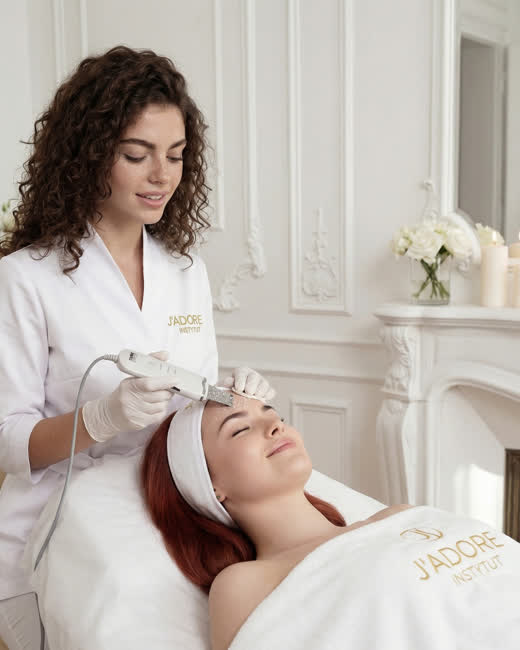
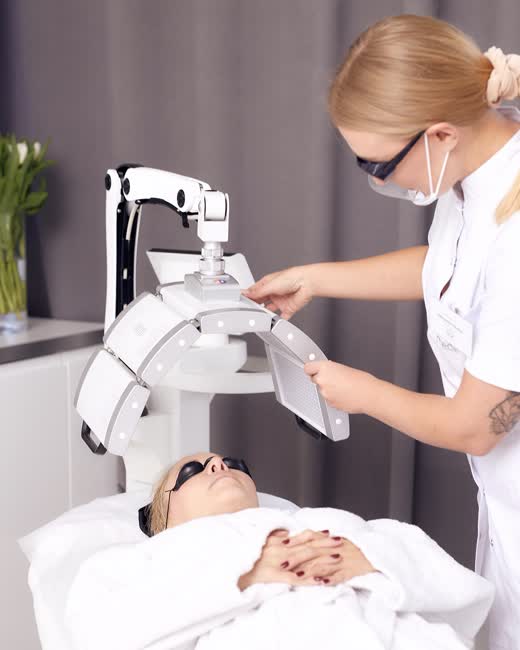
A treatment room at J'adore
MEDICAL PEELS
Uneven skin tone, brown patches after summer, traces left by acne, and — for some — symmetrical hormonal hyperpigmentation (melasma) on the cheeks and above the upper lip. These are among the most common reasons you come to us. TRX (Mediderma) is a peel targeted at hyperpigmentation.
It doesn't stop at removing the discoloured top layer of the epidermis — it also works to depigment: it calms tyrosinase, the enzyme that produces melanin. That's why it brightens skin tone at its source, not just "for a moment". This is a cosmetology treatment — the word "medical" in the peel category name refers to the class and concentration of the product, not to the fact that a doctor performs it. At J'adore Instytut, the TRX peel is carried out by an experienced cosmetologist. Below you'll find everything worth knowing before your first visit: whether it works, whether it stings, whether and for how many days you'll peel, when you'll see results, how many sessions the series needs, and why SPF after depigmentation isn't a suggestion — it's a condition.
best done in a series of 4–6 sessions every 1–2 weeks
How it works
TRX is a peel from the Mediderma line, designed for one purpose: hyperpigmentation and uneven skin tone. It combines two mechanisms. First, controlled exfoliation — it loosens the bonds between dead, discoloured epidermal cells and speeds up their turnover, so pigmented skin sheds faster and fresh, brighter skin comes through. Second — and this is what sets it apart from a standard brightening peel — it works to depigment at the source: it calms tyrosinase, the enzyme that triggers melanin production.
This difference matters most with hyperpigmentation that "likes to come back" (like melasma). A purely mechanical peel removes what's visible today — but if pigment-producing cells are still working at full speed, the patch rebuilds within a few weeks. TRX targets both ends of the process at once: it removes existing pigment and inhibits new pigment formation. That's why it's a tool for skin tone, not just a "cosmetic refresh".
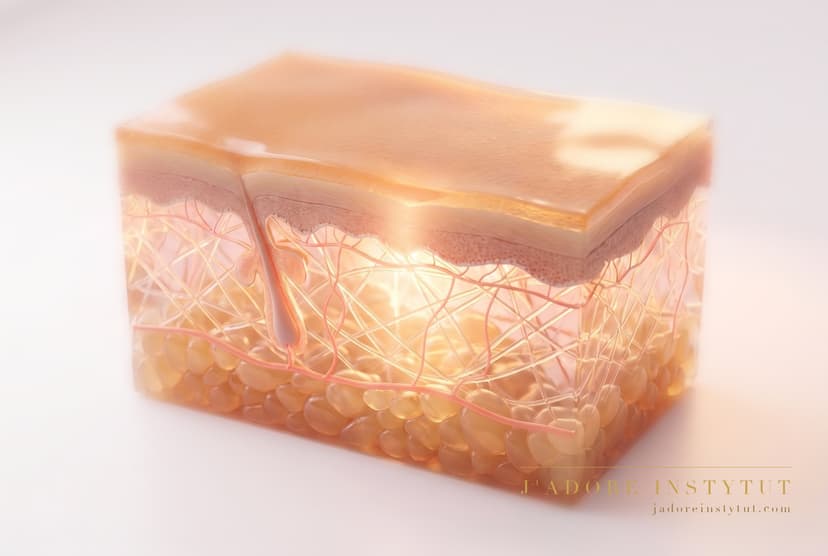
Important: a medical-grade peel in a salon has nothing to do with aggressively "stripping" the skin. It's a controlled process — the cosmetologist selects the strength, the number of layers and the exposure time, watching your skin's reaction throughout.
Ideal for
What TRX won't do: it won't fill deep scars or wrinkles, and it won't replace a lifting treatment. It's a tool for skin tone and pigment, not volume or firmness — whether it's the right choice for you is something the cosmetologist will decide during consultation.
Women's and men's zones
The most common reason is hormonal hyperpigmentation (melasma) and sun patches — often triggered by pregnancy, contraception or menopause. That's why we usually run the TRX peel for women as a well-planned series, always paired with home brightening care and strict SPF use — melasma reacts to every ray of sun.
What we work with
TRX for men mainly addresses patches from years without sun protection and acne marks. Men's skin tends to be thicker and oilier, with more frequent scarring and post-acne hyperpigmentation, plus the habit of skipping SPF — a real problem, because without sun protection, a peel for hyperpigmentation can't produce lasting results.
What we work with
Did you know: the melanin we're trying to "calm" isn't a flaw — it's the skin's natural umbrella against UV. The problem starts when melanocytes produce it unevenly and in excess, forming patches. That's why a depigmenting peel doesn't forcibly "bleach" the skin — it restores an even, controlled skin tone.
Safety
With a peel for hyperpigmentation, results and safety depend on a few things worth asking about at any salon:
Hyperpigmentation is deceptive — if the strength is wrong, or if there's no phototype assessment, a peel can make patches worse instead of lighter (post-inflammatory hyperpigmentation). That's why at J'adore, TRX is carried out by an experienced cosmetologist after a skin assessment, not automatically according to one fixed formula.
We use only genuine Mediderma products from legal distribution, with known composition and concentration. A non-genuine or poorly stored peel means an unpredictable skin reaction.
A good salon sells you a plan and protection, not a single strong session. If someone promises to remove hyperpigmentation with one peel and doesn't mention SPF, that's a warning sign.
A red flag — when it's better to walk away ·
Contraindications
Some contraindications are permanent, others temporary — in the latter case, we simply postpone the treatment until the situation passes. We'll go through the full list with you individually during consultation.
From the cosmetologist's chair
The issue most often overlooked: tanned skin and herpes. A peel on freshly tanned skin is a straightforward path to post-inflammatory hyperpigmentation, and active herpes can spread after treatment. In both cases, it's better to postpone by a few days to a couple of weeks than to risk the opposite of the intended result.
This isn't the full list — your medications, health conditions, phototype and previous treatments will be discussed individually during consultation before your first peel.

MEDICAL PEELS
With peels for hyperpigmentation, it's easy to come across a "cheap peel for patches" offer — and just as easy to be disappointed or make things worse. Price rarely comes from nowhere.
A well-run series of hyperpigmentation peels isn't the cheapest "acid on your face" — it's a plan: the right product, the right strength, monitoring of your skin's reaction between sessions, and consistent SPF. That's why the same result from a "cheap peel" can later cost you a correction for post-inflammatory hyperpigmentation.
The visit
The whole visit takes about a few dozen minutes. Most people describe the sensation during application as tingling, mild stinging or warmth — normal and temporary. The cosmetologist monitors your skin throughout and adjusts the process to its reaction.

consultation
the cosmetologist assesses your skin, skin tone and phototype, determines the type of hyperpigmentation, and rules out contraindications
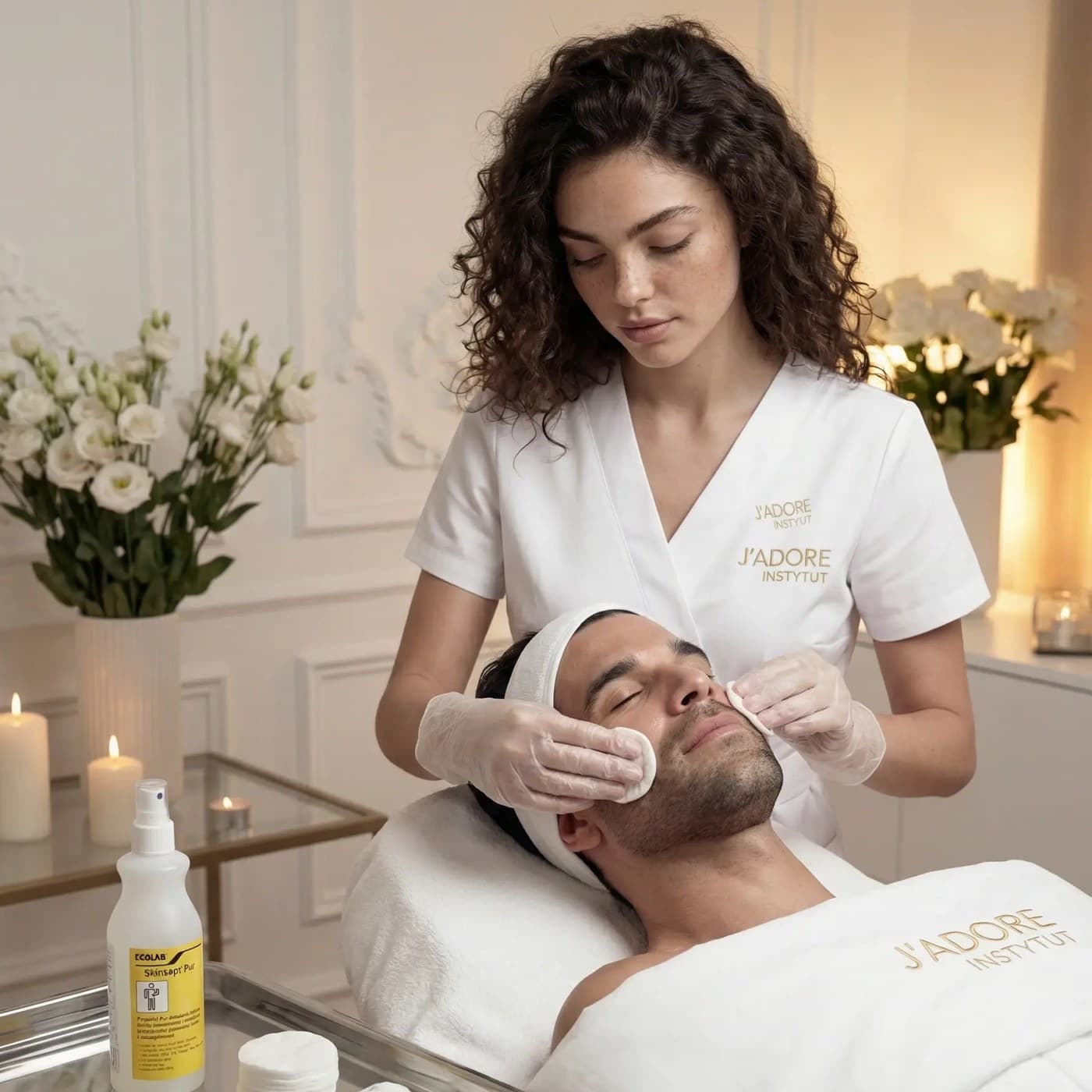
degreasing
thorough makeup removal and degreasing of the skin — evens out pH and ensures even absorption
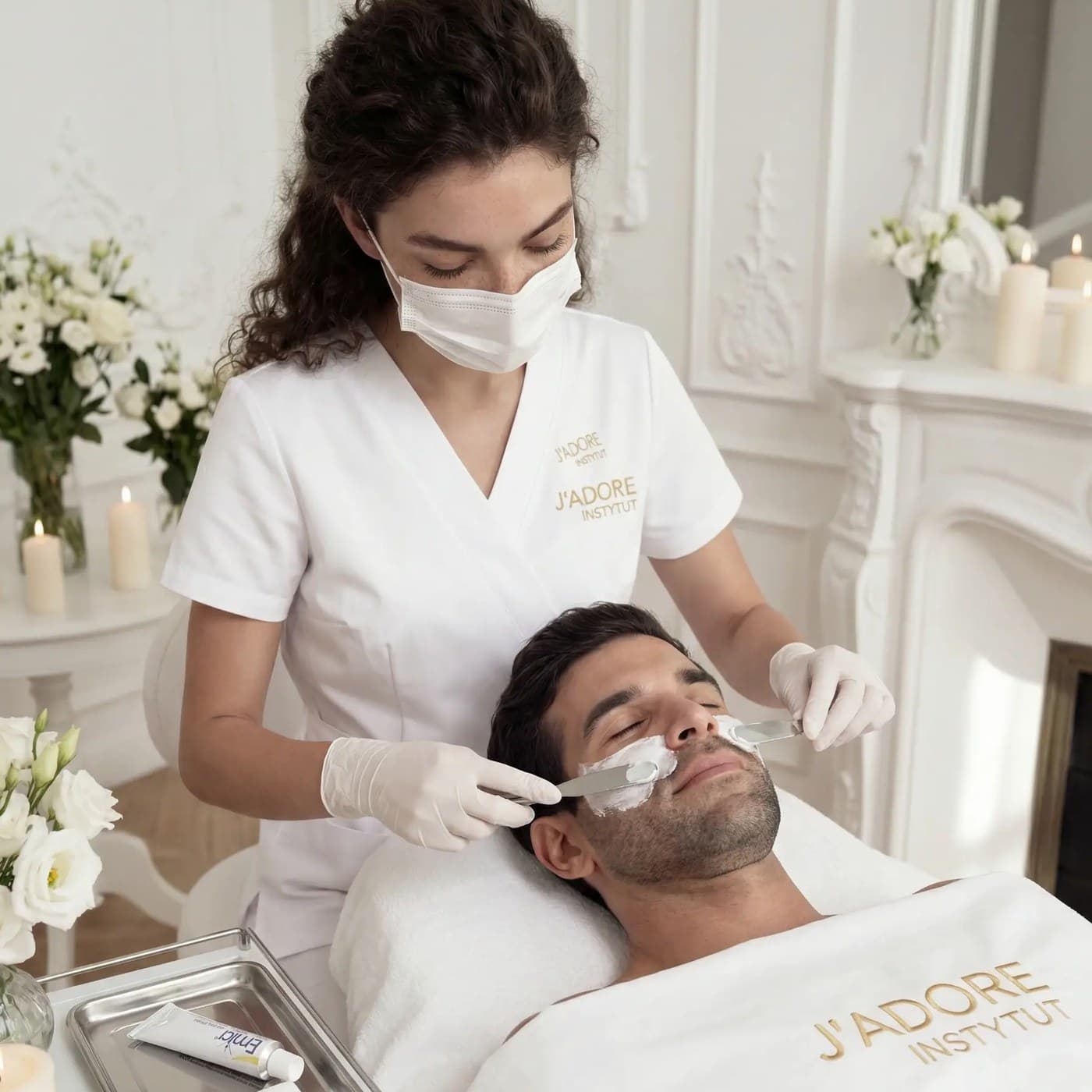
application
the peel is applied in layers; the cosmetologist monitors your skin's reaction and how you're feeling throughout
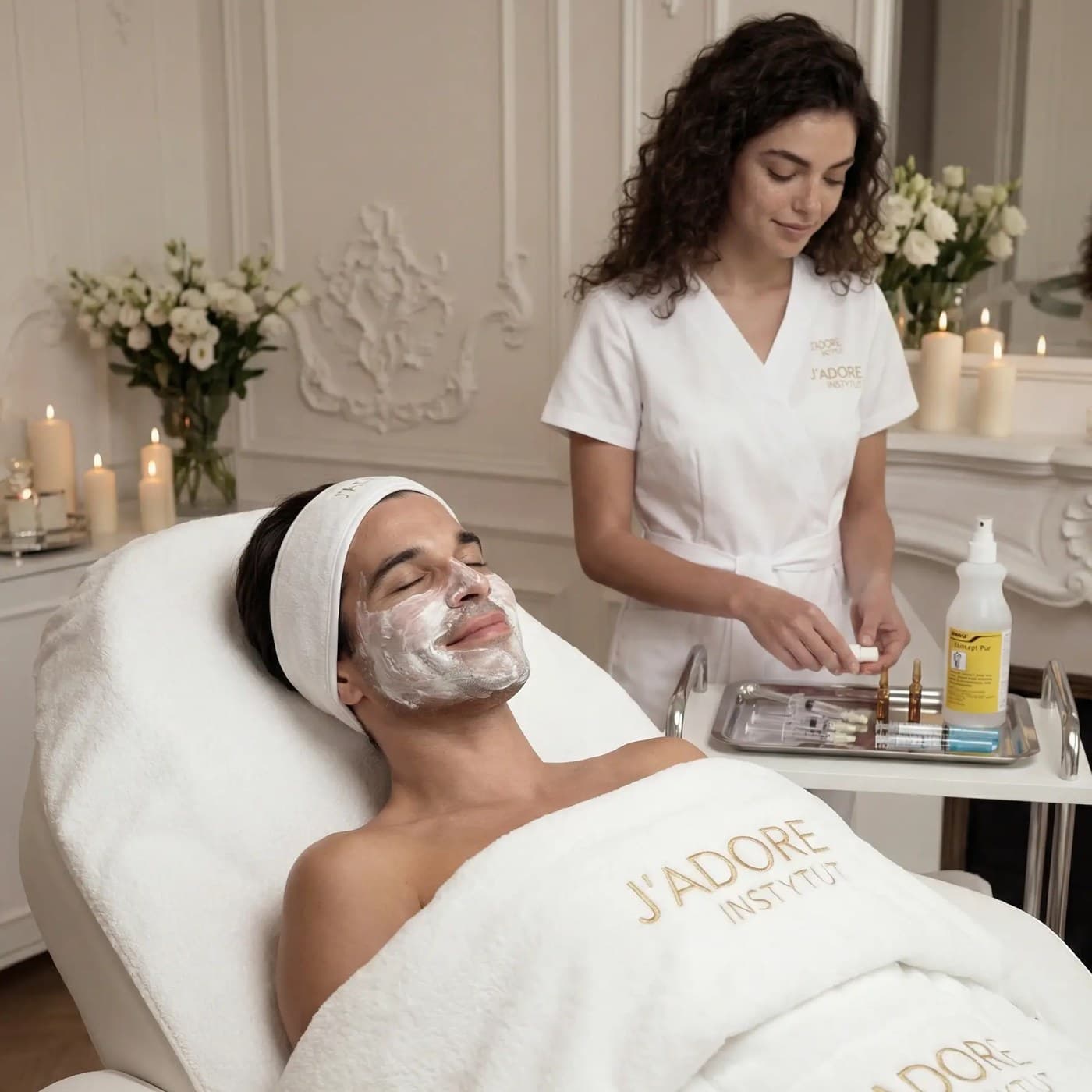
neutralisation / removal
stopping the product's action — neutralisation or removal, depending on the protocol
soothing mask + SPF
a soothing, hydrating product, finished with SPF and home care instructions
What to expect
The key point: brightening builds up gradually, not overnight. After a single session, you'll see a fresher, more radiant skin tone, but a visible reduction in hyperpigmentation takes the full series. That's normal — hyperpigmentation built up over years and fades layer by layer.
The most common moment of panic: on day two or three, the hyperpigmentation looks darker than before the treatment. This is completely normal — pigment "rises" to the surface before it flakes off. There's no point picking at the skin or adding home acids at this stage. Give it a few days and SPF.
Portfolio
A record of the work in our salons — the place where we publish treatment frames and, after photo sessions, results.
A record of results — in preparation. We publish photographs of our clients only with their consent.
The TRX peel and your lifestyle
With a depigmenting peel, the most important factor isn't the treatment itself — it's the sun. Freshly peeled skin is more prone to hyperpigmentation, and melanocytes are ready to reactivate. That's why some recommendations here are stricter than with other treatments.
This is crucial with any peel for hyperpigmentation. Apply SPF 50+ every day, even in cloudy weather, throughout the series and long after it. Without SPF, the depigmenting effect reverses, and patches can come back darker.
Intense tanning, a sunny holiday and sunbeds are contraindicated during the treatment course. That's why we plan the series for the cooler part of the year — the holiday comes after, not during.
On the day of the treatment, it's best to let your skin rest. Makeup is usually fine from the next day; during active peeling, it's better to keep it minimal to avoid irritating the shedding skin.
High temperatures, chlorine and sweat irritate freshly peeled skin. Skip the sauna, swimming pool and hot baths for a few days after the treatment.
We pause home retinoids and acids during peeling, to avoid adding irritation. The cosmetologist will tell you when and how to return to stronger products between sessions.
Intense exercise and sweating on the day of the treatment can irritate your skin. No restrictions the next day — just remember SPF if training outdoors.
TRX — for hyperpigmentation
These three approaches differ in purpose and strength, and often complement each other. The most common misunderstanding is treating them as interchangeable — each does something different:
brightens and refreshes skin tone
doesn't inhibit melanin production — not enough on its own for melasma
targets pigment + depigments
won't replace a full protocol for severe, resistant melasma
protocol for resistant melasma
greater commitment and a longer downtime than a single peel
Combine with
The TRX peel fits well into a broader plan for skin tone and skin quality. The order and spacing are decided by the cosmetologist during consultation, but the general logic stays the same:
A simple rule I repeat at consultation: uneven skin tone and isolated sun patches → a TRX series. Symmetrical, resistant melasma → usually Cosmelan/Dermamelan, with TRX as support. This can't be assessed "by eye" through a screen — that's why we start with a skin and phototype assessment.
Products and strength
There are many lines of hyperpigmentation peels on the market — they differ in active ingredients, strength and mode of action. They're not chosen "off the shelf" — the cosmetologist selects them based on your type of hyperpigmentation, phototype and skin sensitivity. Here's a rough picture of where TRX fits in:
A peel targeted at hyperpigmentation — combines exfoliation with a depigmenting action (calming tyrosinase). Works on skin tone at its source, not just on the surface.
Dla kogoSun-induced and post-acne hyperpigmentation, uneven skin tone, melasma as part of a plan.
A gentle peel with mandelic acid (AHA) — safe for sensitive, reactive skin and darker phototypes.
Dla kogoFirst peel, sensitive skin, gentle evening of skin tone.
Full depigmenting protocols — in-salon mask + home cream over several weeks. Strong suppression of tyrosinase.
Dla kogoResistant, symmetrical melasma; darker phototypes; when a peel alone isn't enough.
Fact: Where do the differences in strength come from? From the type and concentration of active substances, the number of layers applied, and exposure time. That's why the same peel can be carried out very differently in two different people. The specific concentrations and pH are set by the cosmetologist based on the manufacturer's protocol and your skin's reaction — "stronger" doesn't mean "better", especially with hyperpigmentation.
Price list
Checking free hours…
From the magazine
Editorial pieces on how this treatment works in practice — what happens during the session, how to prepare, where the limits are and what the first days after look like.
See also
The result lastsresults depend on consistent SPF use — with protection, the effect lasts for monthsJ’adore Instytut
The text above is for information only and does not replace consultation. The choice of peel, protocol strength, series length and contraindications are decided by a cosmetologist/specialist during an individual consultation with a skin and phototype assessment. This is a cosmetology treatment — carried out by an experienced cosmetologist.
Home care
Cosmetics matched to what your skin needs after a treatment — so the clinic effect lasts longer.
 hyperpigmentationSesdermaMANDELAC Liposomal SerumView in the shop(opens in a new tab)
 sun protectionCell Fusion CAquatica Sunscreen 100 SPF 50+/PA++++View in the shop(opens in a new tab)
 post-treatment regenerationMedMelanoSkinbiotic Elixir Probiotic Repair Serum 50 mlView in the shop(opens in a new tab)
 hyperpigmentationPeel MissionMelasma & PIH Cream 50 mlView in the shop(opens in a new tab)
 sun protectionDermaQuestSunArmor SPF50 30 mlView in the shop(opens in a new tab)
 post-treatment regenerationVagheggiEmozioni Plus — Anti-Stress Face Mask 75mlView in the shop(opens in a new tab)
 hyperpigmentationDermoMedicaTRX C Foam Cleanser 150 mlView in the shop(opens in a new tab)
 hyperpigmentationMediderma1+1 Set — FR-Antiox MD Concentrate + Mela 360 Bellis TRX Brighter SPF 50View in the shop(opens in a new tab)