How melasma differs from “ordinary” hyperpigmentation
Most dark spots on the face develop in a straightforward way. Melanocytes (pigment cells) produce melanin in response to UV damage, the skin becomes darker, then gradually lightens with time and appropriate skincare. IPL works through selective photothermolysis, where pigment absorbs light energy. It breaks down melanin clusters, and the dark spot gradually fades. The mechanism is simple and results are predictable.
Melasma works differently. It is hormonally driven melanin overproduction. Melanocytes are permanently switched into an “overactive” mode — not by a single UV injury, but by long-term dysregulation. The main triggers are oestrogens, including pregnancy, hormonal contraception and HRT, as well as chronic sun exposure and genetic predisposition. The patches are symmetrical. They usually appear on the cheeks, upper lip, forehead and chin. They also tend to recur regardless of treatment.
The key difference to remember is this: with sun-induced hyperpigmentation, the pigment cell has overproduced melanin once. It is then ready to settle down. In melasma, the cell is chronically overreactive. Even mild irritation, such as heat, light energy or pressure, can stimulate it to release another dose of pigment. This is why IPL can be counterproductive here.
Why IPL can worsen melasma — and why this is not a device error
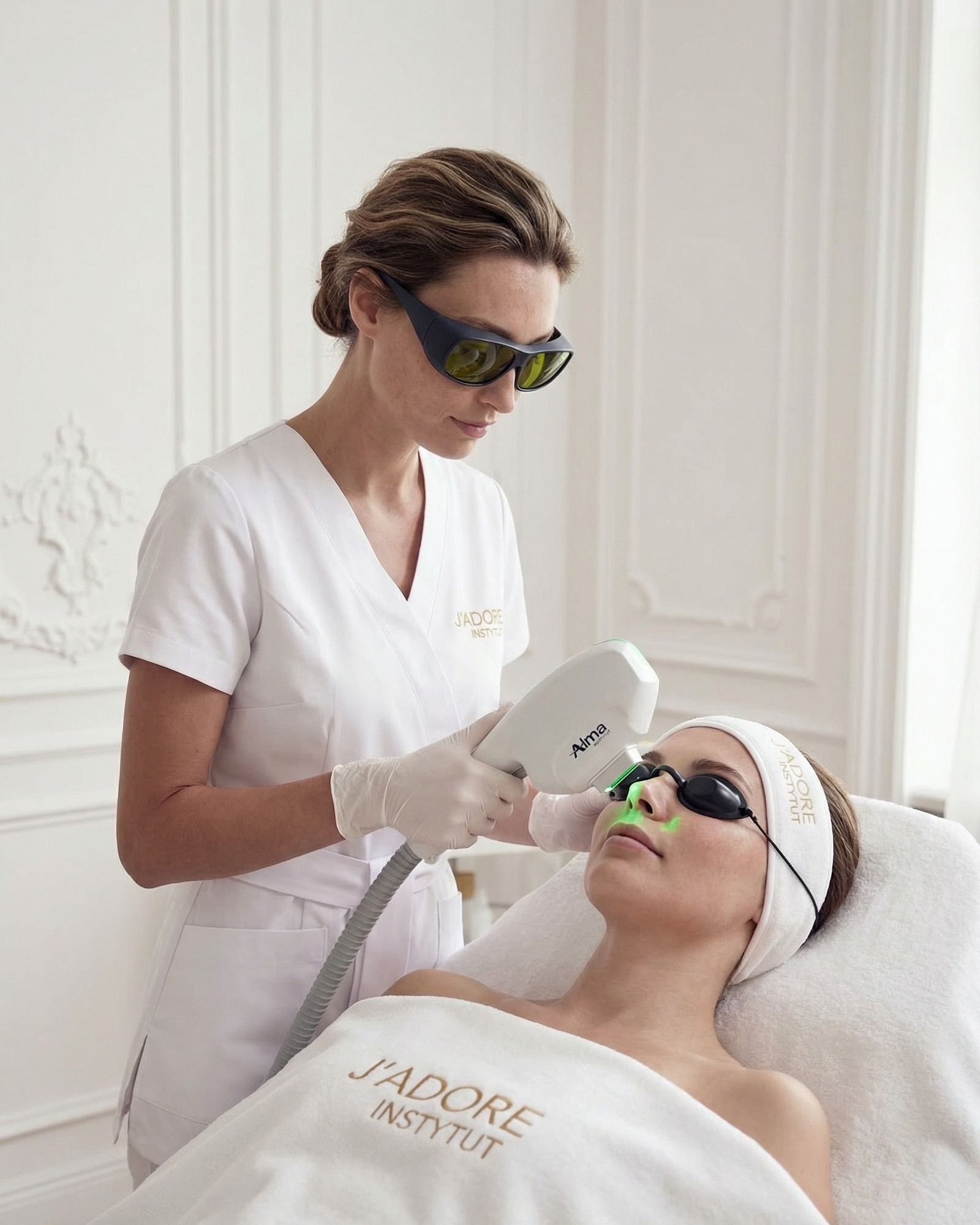
IPL (intense pulsed light) emits a broad spectrum of light. It is absorbed by melanin and converted into heat. This heat destroys pigment clusters — a desired effect for sun-induced hyperpigmentation and freckles. The problem is that heat is also a trigger for overreactive melanocytes in melasma.
The mechanism behind this “reverse effect” is as follows: IPL energy reaches melanocytes and destroys some existing pigment. This may temporarily lighten the skin. At the same time, it stimulates neighbouring, chronically reactive melanocytes to produce new melanin. After a few weeks, the patch may be darker, more diffuse, or new areas may appear. In dermatology, this is called reactive post-inflammatory hyperpigmentation (PIH). This is why melasma and IPL are often a poor combination.
Sun-induced hyperpigmentation
A good candidate for IPL
- Asymmetrical, usually in one area of exposure
- Sharply defined from the surrounding skin
- Does not react to hormones or stress
- Does not recur after effective treatment
- Fair skin — lower risk of PIH
Melasma
Requires a different approach
- Symmetrical, affecting characteristic areas (cheeks, forehead, upper lip)
- Blurred edges, often blending into the surrounding skin
- Linked to oestrogens and UV — recurs after exposure
- Overreactive melanocytes — react to heat and irritation
- Darker skin tone — higher risk of reactive PIH after IPL
Six myths about melasma we hear in the salon
Myth 1: “It is just a sun spot — avoiding the beach is enough”. The sun is the main trigger, but not the only one. Melasma can appear or worsen without tanning. Oestrogens, including pregnancy, contraceptive pills and hormone replacement therapy, or genetic predisposition may be enough. People who “never sunbathe” can also have it.
Myth 2: “It disappears on its own after childbirth”. For many women, pregnancy melasma does fade after breastfeeding ends and hormones stabilise. However, in around one third it remains. It can become established if it continues to be stimulated by the sun. Waiting years for it to “go away on its own” often means pigment settles deeper and treatment becomes more difficult.
Myth 3: “An expensive vitamin C serum is enough”. Vitamin C, niacinamide, kojic acid and arbutin can inhibit melanocyte activity and brighten the skin. This is a genuine, research-supported effect. However, for active melasma, skincare alone is not enough. Without consistent photoprotection, using SPF 50+ every day rather than only “for the beach”, each brightening effort is undermined by further UV stimulation.
Myth 4: “An acid peel will quickly lighten dark spots”. Acid peels (AHA, TCA) can work for melasma. However, aggressive exfoliation without preparing the skin is one of the quickest ways to trigger reactive PIH. Medical protocols for melasma usually begin with a long preparation phase using retinoids and melanogenesis inhibitors. Only then is a peel introduced, at a low concentration and with strict photoprotection.
Myth 5: “Fractional laser is the same as IPL — so it is also best avoided”. Not quite. These are two different technologies with different mechanisms of action. IPL works by heat absorption in pigment. Some fractional lasers work by creating microchannels in the skin, bypassing surface pigment. In the hands of an experienced specialist, and with an appropriate protocol, they can be used for melasma with good results. The key is selecting the right parameters and assessing risk — not automatically excluding all lasers.
Myth 6: “Once treated, it does not come back”. Melasma is a chronic condition, not a one-off dark spot to remove. Even after successful lightening, melanocytes remain overreactive. With sun exposure, hormonal changes or pregnancy, they may produce pigment again. A realistic goal is control and maintaining the result, rather than a one-off “cure”.
What really works for melasma — a hierarchy of effectiveness
Treating melasma is a marathon, not a sprint. It requires several methods working together at different levels. There is no single treatment that “removes melasma forever”, but there are protocols that bring real, lasting improvement — although maintenance is required.
- 01
Preparation phase (4–8 weeks)
Before any treatment: depigmenting agents, such as hydroquinone or its alternatives — kojic acid, niacinamide, azelaic acid and arbutin — retinoids at night, and strict daily SPF 50+ photoprotection. The aim is to calm melanocyte activity before more invasive stimulation.
- 02
Salon treatments — selected according to pigment depth
Chemical peels, using low concentrations and protocols designed for melasma, mesotherapy with depigmenting substances, Nd:YAG laser in Q-switched or pico mode following appropriate qualification, and sometimes microneedling with a depigmenting cocktail. Each option has its own indications and contraindications for specialist assessment.
- 03
Maintenance phase (ongoing)
Once the result is achieved: continue SPF 50+ throughout the year, use depigmenting agents seasonally, avoid hormonal triggers where possible, and consider maintenance treatments every few months.
It is worth knowing that the approach to melasma changes according to pigment depth. Epidermal melasma, where pigment is only in the upper layers and is clearly visible under a Wood’s lamp, responds better to treatment than dermal or mixed melasma, where pigment is deeper. This can only be assessed during consultation. It directly affects which methods will be recommended.
Chemical peel + depigmenting mesotherapy
A classic combination: the peel exfoliates layers containing excess pigment, while mesotherapy delivers substances that inhibit melanogenesis directly into the skin. Results appear gradually. The risk of PIH is low when properly selected.
Fractional laser (non-ablative) + depigmenting phase
For dermal and mixed melasma, a fractional laser can reach pigment deeper than a peel. It requires prior skin calming and a strict photoprotection routine. Not every laser type is suitable — individual qualification is necessary.
Microneedling + tranexamic acid cocktail
Tranexamic acid blocks melanogenesis pathways at a cellular level. Delivered through microneedling, it reaches deeper skin layers. This protocol is becoming increasingly popular for people whose previous methods produced a yo-yo effect.
Before booking IPL — five questions to consider
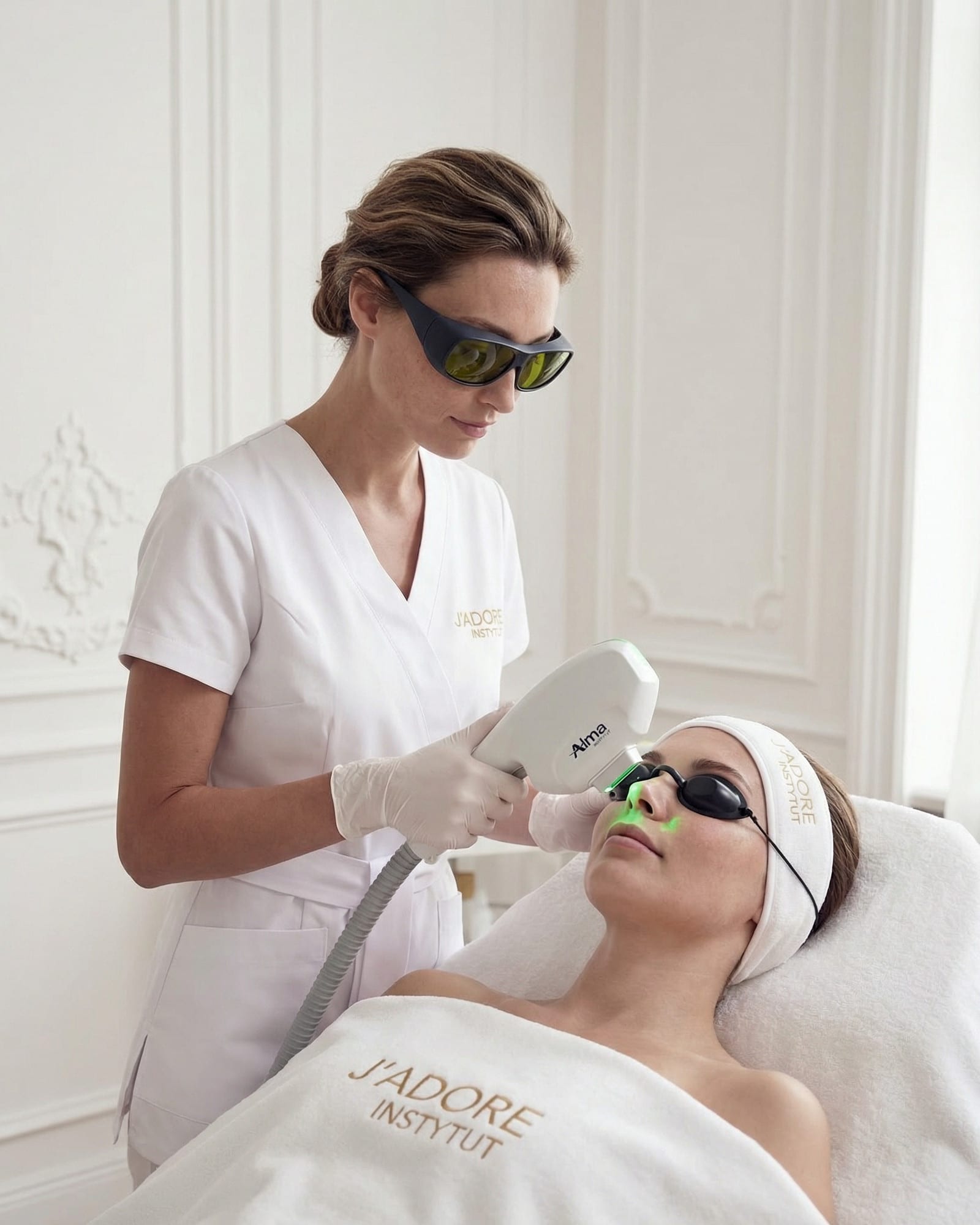
If you have hyperpigmentation and are considering IPL, these five questions will help you assess whether you are a suitable candidate. They may also show whether it is worth discussing diagnostics first.
- Are your patches symmetrical? Symmetry is one of the stronger indicators of melasma — with asymmetrical, isolated patches, the risk is lower.
- Did they appear or worsen during pregnancy or with hormonal changes? If so, you are likely dealing with melasma rather than sun-induced hyperpigmentation.
- What is your skin phototype? The darker your complexion, the higher the risk of reactive PIH after IPL — this requires a different protocol or method.
- Have you already had any treatments for these patches? Information about previous reactions — lightening, no effect or darkening — is an important diagnostic clue for the specialist.
- Are you currently taking hormonal contraception or undergoing HRT? An active hormonal factor is a reason to prepare the skin first — even with appropriate qualification.
Melasma in men — less common, but real
Melasma is sometimes described as a “women’s condition”. Statistically, it does affect women more often, particularly in connection with oestrogen. But men get it too — they are estimated to account for around 10% of all cases. In men, the main trigger is chronic sun exposure without protection, sometimes combined with a genetic predisposition.
Melasma in men has its own characteristics. Patches appear similarly to those in women — symmetrically, on the cheeks and forehead — but are often dismissed as “a tan” or “post-acne hyperpigmentation”. The treatment protocol is the same as for women. The difference is that hormonal triggers usually play no role, so control may be slightly easier. The main barrier is a willingness to follow regular photoprotection and undergo treatment over several months — and this is independent of gender.